
Last updated September 23, 2026
Whole-system duct and dryer vent check with before-and-after photos - you see exactly what came out of your vents
That "$99 whole-house special" is a bait ad - the real number appears once they are in your hallway, or the "clean" is a shop-vac at the register. We photograph the inside of your ducts before and after instead.
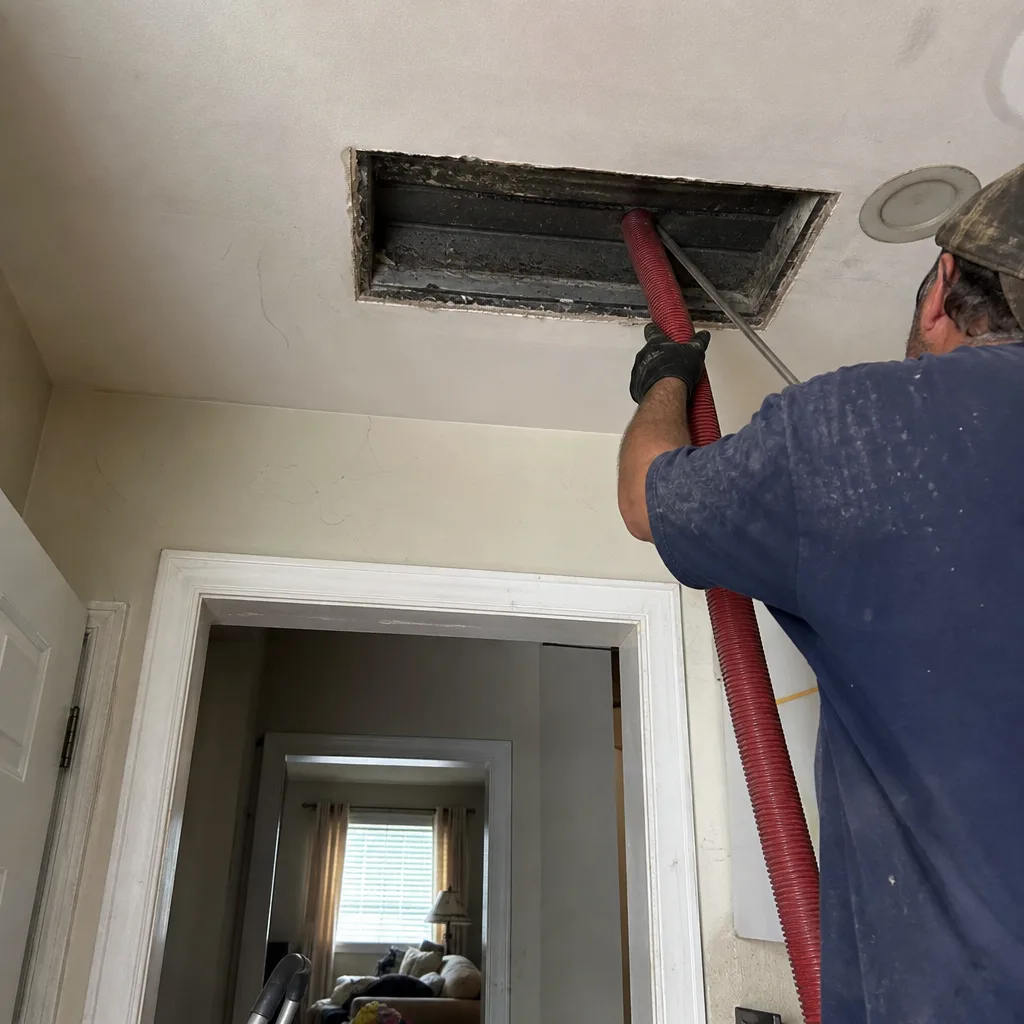 Before
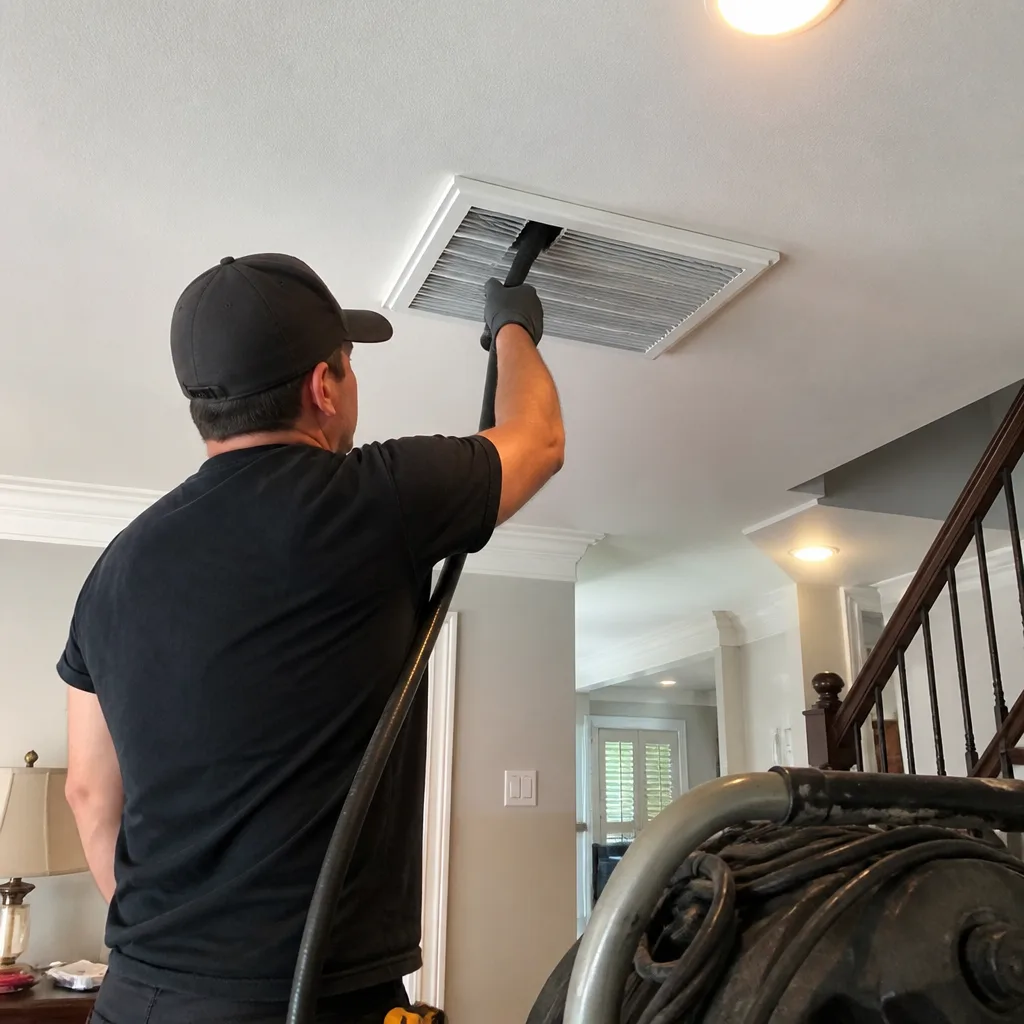 After
After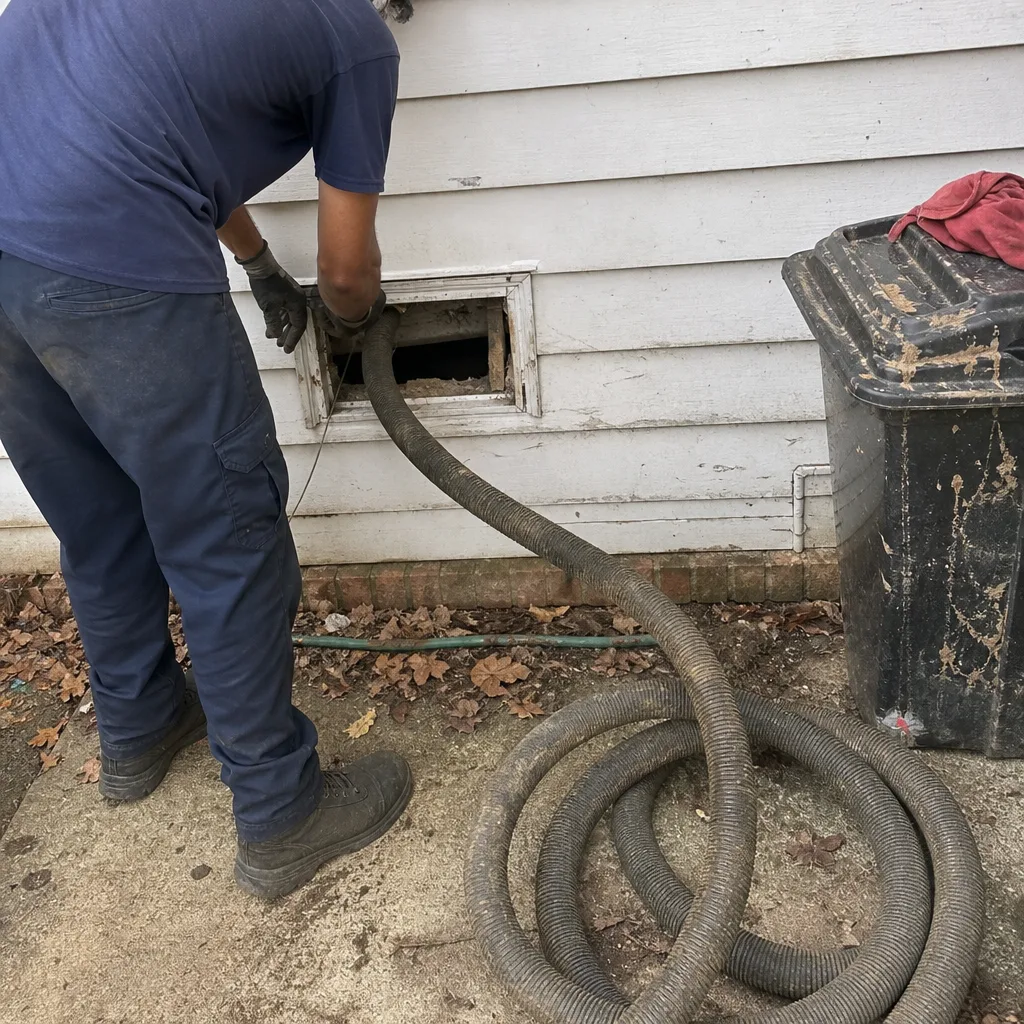 Before
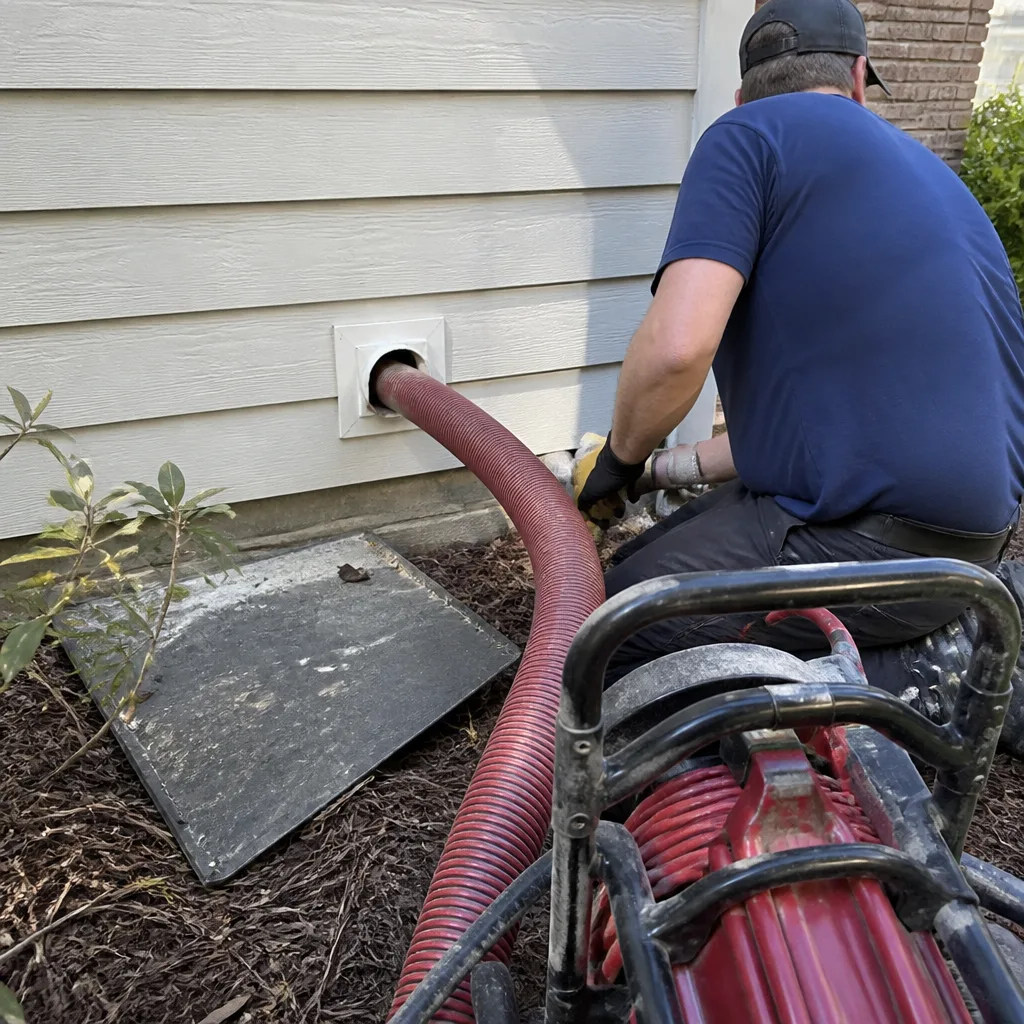 After
After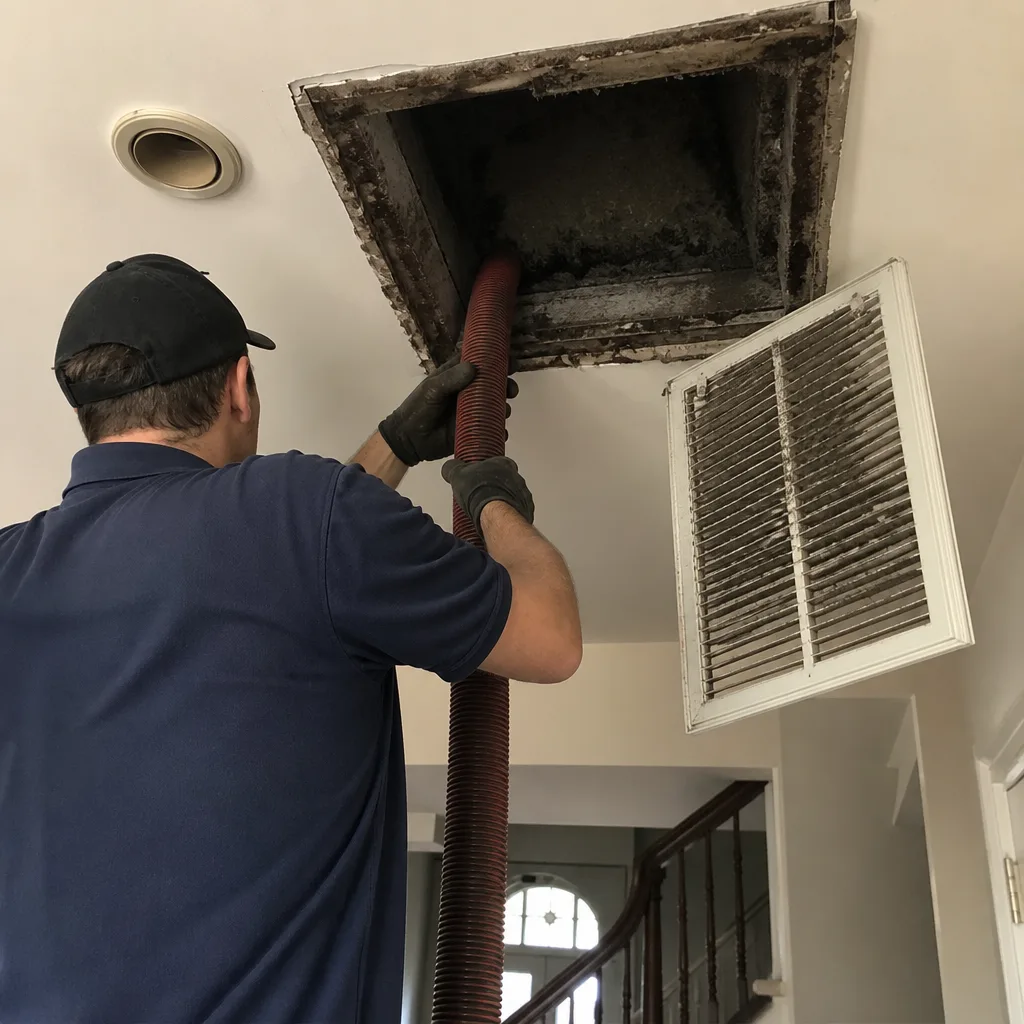 Before
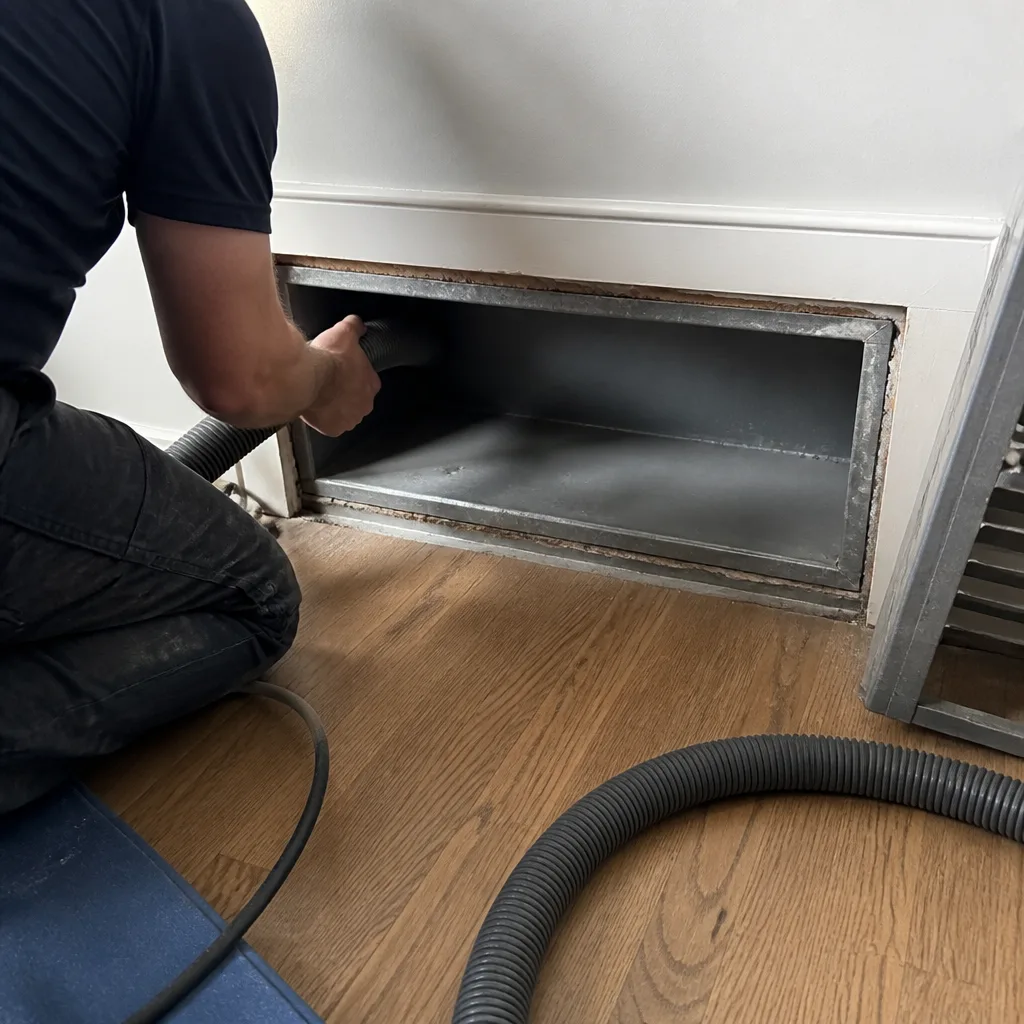 After
AfterHow to Hire a Air Duct Cleaning Contractor in Alpharetta: A Step-by-Step Guide
The $79 duct cleaning coupon is the most effective scam in home services because it asks homeowners to make a decision before they see the equipment, the scope, or the final bill. In Alpharetta, where homes built between 2015 and 2025 average 3,200 square feet with complex multi-zone HVAC systems, the gap between a legitimate cleaning and a bait-and-switch operation is wider than most homeowners realize. This guide reframes the hiring conversation around five verification steps that separate real contractors from coupon operations. Ask the right questions, and the wrong companies disqualify themselves.
Quick Answer
A legitimate air duct cleaning contractor in Alpharetta provides a written, line-item quote before work begins, uses truck-mounted negative-pressure extraction equipment, photographs every duct run before and after, and backs the job with a written warranty. If any of these four elements is missing, you are not comparing prices; you are comparing a documented service to a vague visit.
Table of Contents
- The Five Pre-Hire Verification Steps
- How to Recognize Real Equipment vs. a Shop-Vac Setup
- Why Phone Estimates Without Square Footage Are Structurally Bogus
- What a Legitimate Contract Must Include
- Your Post-Job Verification Checklist
- Alpharetta-Specific Considerations
- What Air Duct Cleaning Actually Costs in Alpharetta
- Common Mistakes to Avoid
- When to Call a Professional
- Frequently Asked Questions
 Before
 After
AfterThe Five Pre-Hire Verification Steps
Most homeowners ask about price first. That is the wrong opening. Price without context is what makes the $79 coupon possible. These five steps, in order, force a contractor to demonstrate legitimacy before you commit.
Step 1: Demand a Written Quote Before the Truck Moves
Ask: “Will you put the full price in writing before any work starts, with line items for each part of the system?”
A legitimate contractor answers yes immediately. At CleanRun, this is Haven Standard Clause 1: written price before any work begins, no exceptions. The quote should specify the number of duct runs, the access points required, the cleaning method, and the disposal protocol. A verbal estimate or a range (“usually between X and Y”) is not a quote. It is a placeholder for a larger invoice.
The bait-and-switch pattern works like this: the coupon price covers a “basic” cleaning that does not include the plenum (the main distribution box), the return trunk, or the registers. Once the technician is in your home, each of these becomes an add-on. The $79 visit becomes a $400+ job, and the homeowner has no documentation of what was promised versus what was delivered.
Step 2: Verify NADCA Membership Independently
Ask: “What is your NADCA membership number, and which technicians hold the Air Systems Cleaning Specialist certification?”
The National Air Duct Cleaners Association maintains a public directory at nadca.com. Do not accept a logo on a website or van as proof. Enter the company name yourself. NADCA members agree to follow ACR, the Assessment, Cleaning, and Restoration standard, and their technicians must pass a proctored exam.
In Alpharetta, NADCA membership is not universal among advertised duct cleaners, but it is common among legitimate operators. The absence of membership does not automatically disqualify a company, but it removes a verified layer of accountability. If a contractor claims membership but cannot be found in the directory, that is a terminal red flag.
Step 3: Confirm Equipment Type and Brand
Ask: “What extraction equipment will be on the truck, and what brand is it?”
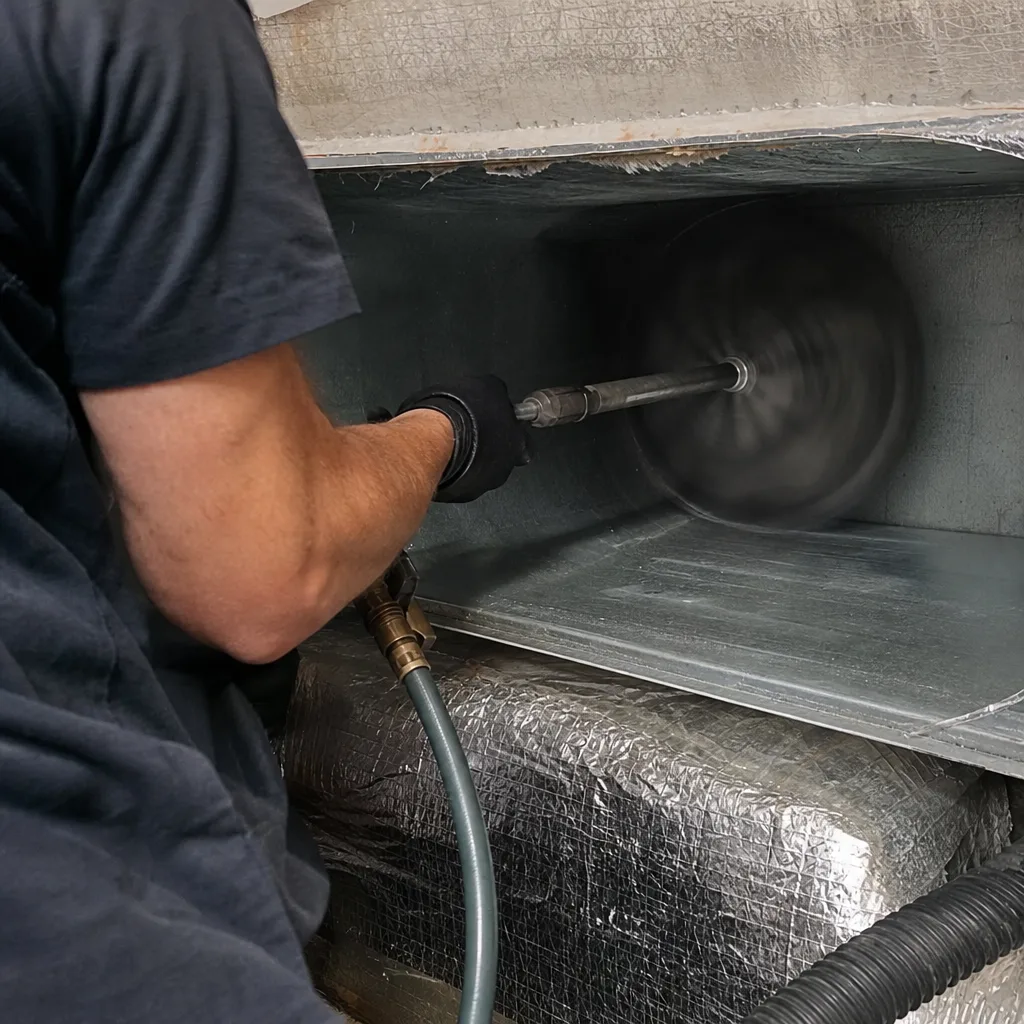
Legitimate contractors name specific equipment without hesitation. The answer should be a truck-mounted negative-pressure unit from a recognized manufacturer, or a portable commercial system from brands like Nikro, Abatement Technologies, or Rotobrush. The technician should be able to describe the vacuum strength (measured in inches of water column) and the agitation method (compressed air whips, rotary brushes, or both).
A shop-vac with a long hose is not duct cleaning equipment. It is a wet/dry vacuum repurposed for a job it cannot perform. The difference matters because a shop-vac lacks the sealed containment and HEPA filtration to prevent debris redistribution. We have arrived at jobs in Alpharetta’s Windward and Crabapple neighborhoods where a previous “cleaning” left the registers dirtier than before the truck arrived.
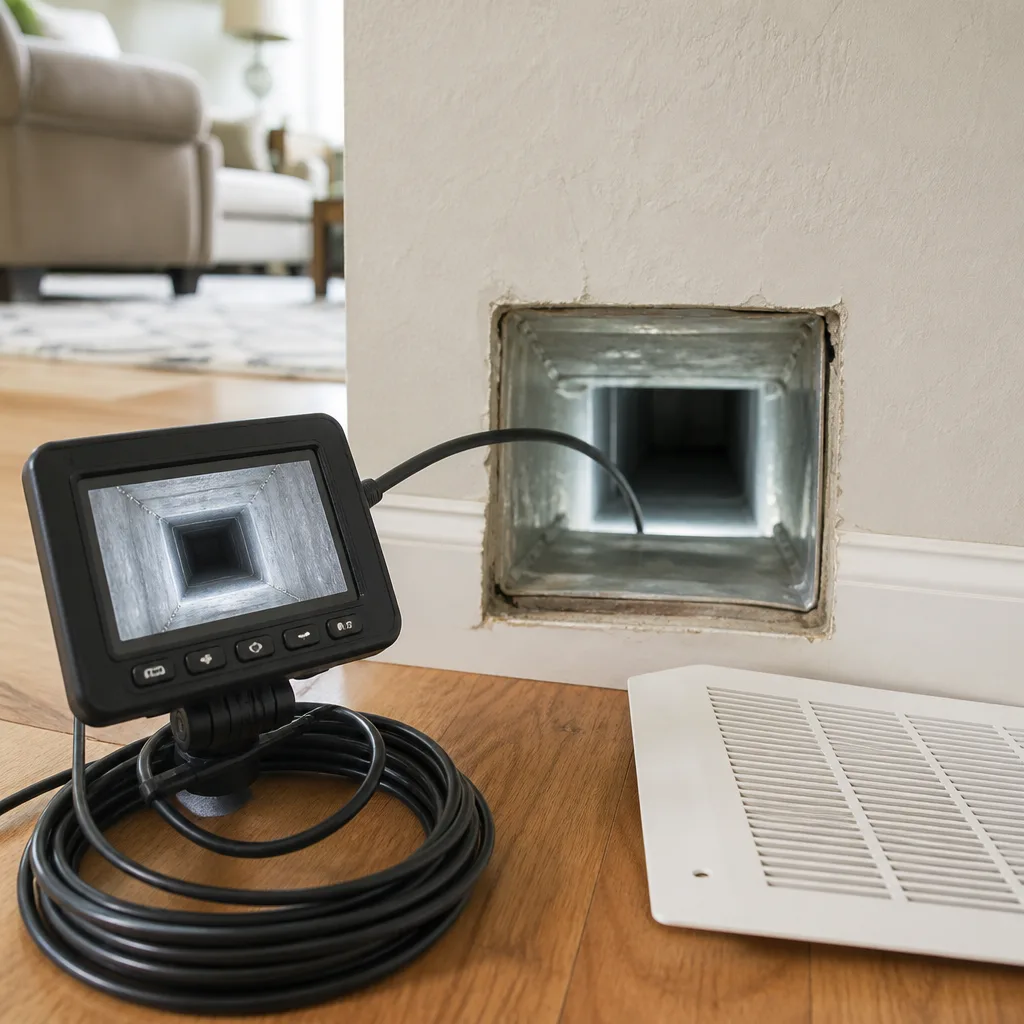
Step 4: Require Photo Documentation of Every Duct Run
Ask: “Do you photograph the inside of every duct run before and after, and do I receive those photos as part of the job record?”
This question eliminates most coupon operations immediately. Real photography requires a borescope camera, time, and a technician trained to document consistently. It cannot be faked with stock images or a single “representative” photo.
CleanRun has held this practice since 2013: every duct run, before and after, delivered to the customer as a standard deliverable. The photo record serves two purposes. First, it proves the work occurred inside the specific ducts in your home. Second, it establishes a baseline for future maintenance. When we return to a home in Alpharetta’s Avalon area or off Rucker Road, we can compare current conditions to the previous visit and explain what changed.
Step 5: Get Warranty Terms in Writing
Ask: “What is your warranty, and what triggers it?”
The answer should be a defined document, not a verbal assurance. CleanRun’s 365-Day Done Right Promise is backed in writing on every job: if the work is not right, we make it right. The trigger is customer-identified deficiency, not a manager’s discretion. Vague warranties (“satisfaction guaranteed”) place the burden of proof on the homeowner and often require arbitration or repeated complaints to activate.
Ask specifically what “not right” means. A legitimate warranty covers visible debris remaining after cleaning, access panels left unsecured, or damage to the ductwork. It does not require you to prove health impacts or energy savings, which are difficult to attribute directly to duct cleaning.
How to Recognize Real Equipment vs. a Shop-Vac Setup
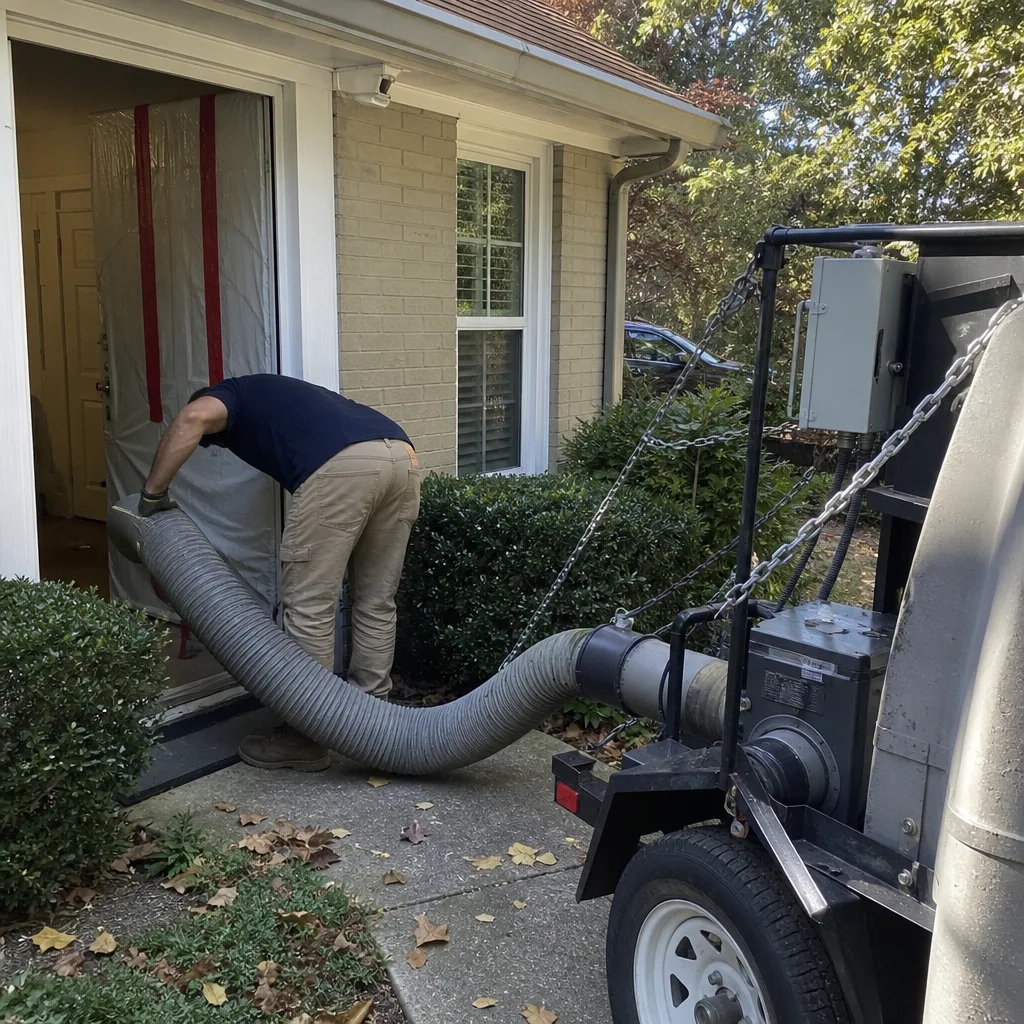
When the truck arrives, you should be able to identify the equipment without opening the van doors. Here is what to look for.
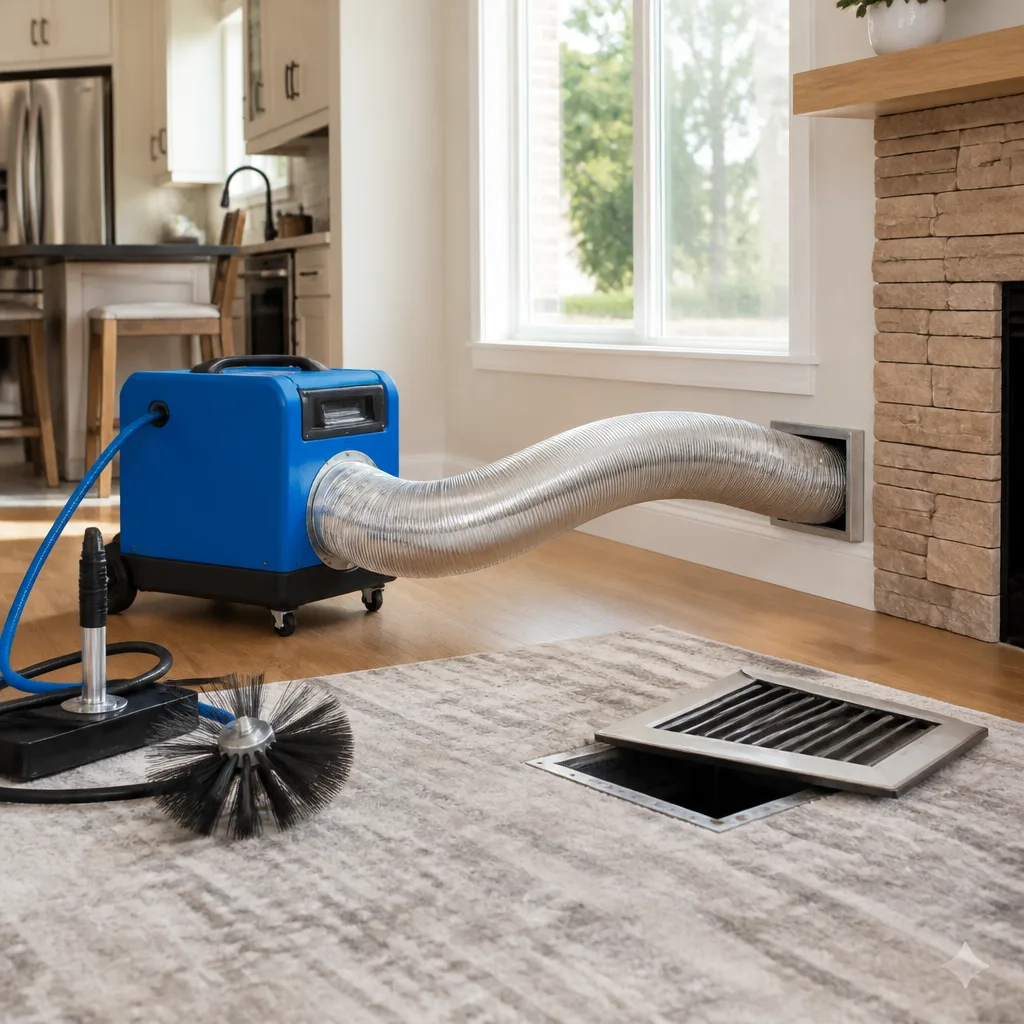
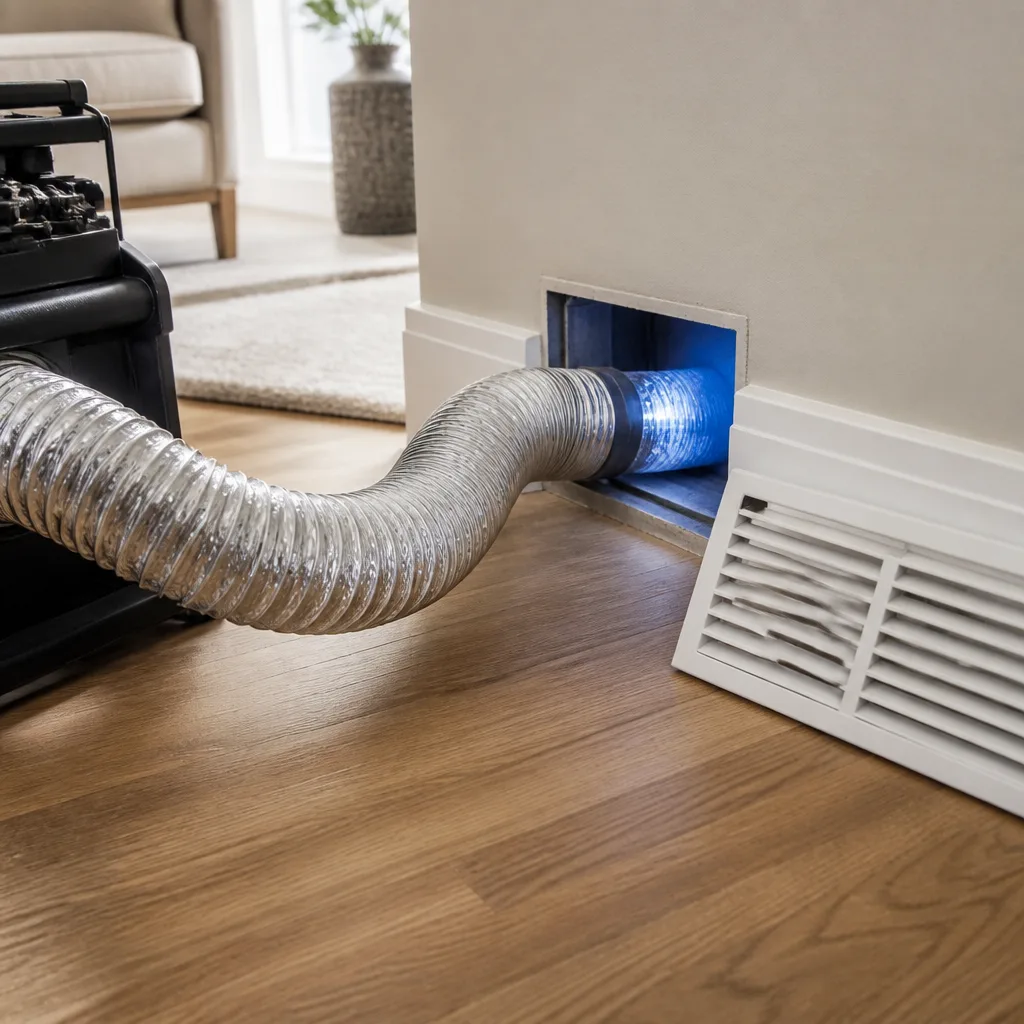
Truck-mounted negative-pressure unit: A dedicated vehicle, often a box truck or large van, with a self-contained power unit and debris collection drum visible through side panels. The vacuum is powered by the truck’s engine or a separate diesel generator, producing 5,000+ CFM (cubic feet per minute) of suction. Hoses run from the truck to your home’s access points, creating a sealed negative pressure inside the duct system. Debris is pulled toward the vacuum, not pushed through the ducts. Brands you might see include Abatement Technologies and Nikro.
Portable commercial system: A wheeled unit, roughly the size of a large shop-vac but with sealed HEPA filtration and significantly higher suction. Used when truck access is impossible, such as in townhome complexes or homes with steep driveways. Still a legitimate tool when operated by a trained technician. Rotobrush manufactures portable systems used by established contractors.
Shop-vac rig: A standard wet/dry vacuum, often with a homemade hose extension, sometimes with a rotary brush attachment purchased online. No sealed containment. No HEPA filtration adequate for fine particulate. The technician may blow compressed air into registers without extraction, pushing debris deeper into the system or into your living space.
The shop-vac operator often claims the equipment is “just as good” or “newer technology.” This is false. Negative-pressure extraction is the industry standard because it contains debris. Blowing without containment is not cleaning; it is redistribution.
In Alpharetta’s newer subdivisions, we have encountered shop-vac operators targeting homes still under builder warranty, claiming the “light cleaning” is sufficient for new construction. New ducts contain construction debris, drywall dust, and sometimes pest droppings. They require the same extraction standard as older systems.
Why Phone Estimates Without Square Footage Are Structurally Bogus
A duct cleaning quote requires three variables: square footage, number of vents/registers, and system type (single-zone, multi-zone, or mini-split hybrid). Any estimate provided without this information is not an estimate. It is a marketing number designed to get a truck on your driveway.
Here is why each variable matters for Alpharetta homes:
- Square footage determines the linear feet of ductwork and the number of access points required. A 2,400-square-foot ranch in Alpharetta’s older neighborhoods near downtown has a different duct layout than a 4,200-square-foot two-story in Windward with a basement mechanical room.
- Number of vents indicates the complexity of the distribution system. More vents mean more branch lines, more elbows where debris collects, and more time per job. A per-vent pricing model incentivizes the contractor to rush each register or to claim some “don’t need cleaning.”
- System type affects access. Multi-zone systems with dampers require additional steps to isolate and clean each zone. Mini-split systems have no ductwork and should not be quoted for duct cleaning at all; we have seen Alpharetta homeowners sold duct cleaning for homes with wall-mounted cassettes.
The legitimate process: a contractor asks these questions by phone, then provides a written quote with a range (“$X to $Y based on what we find at inspection”) or a firm price contingent on verified conditions. The bait-and-switch process: a low phone price with no variables collected, followed by add-ons after arrival.
CleanRun does not provide phone estimates without this information. We ask the questions, explain why they matter, and deliver a written quote by email or text before scheduling. Haven Standard Clause 1 applies to every job, including free estimates.
What a Legitimate Contract Must Include
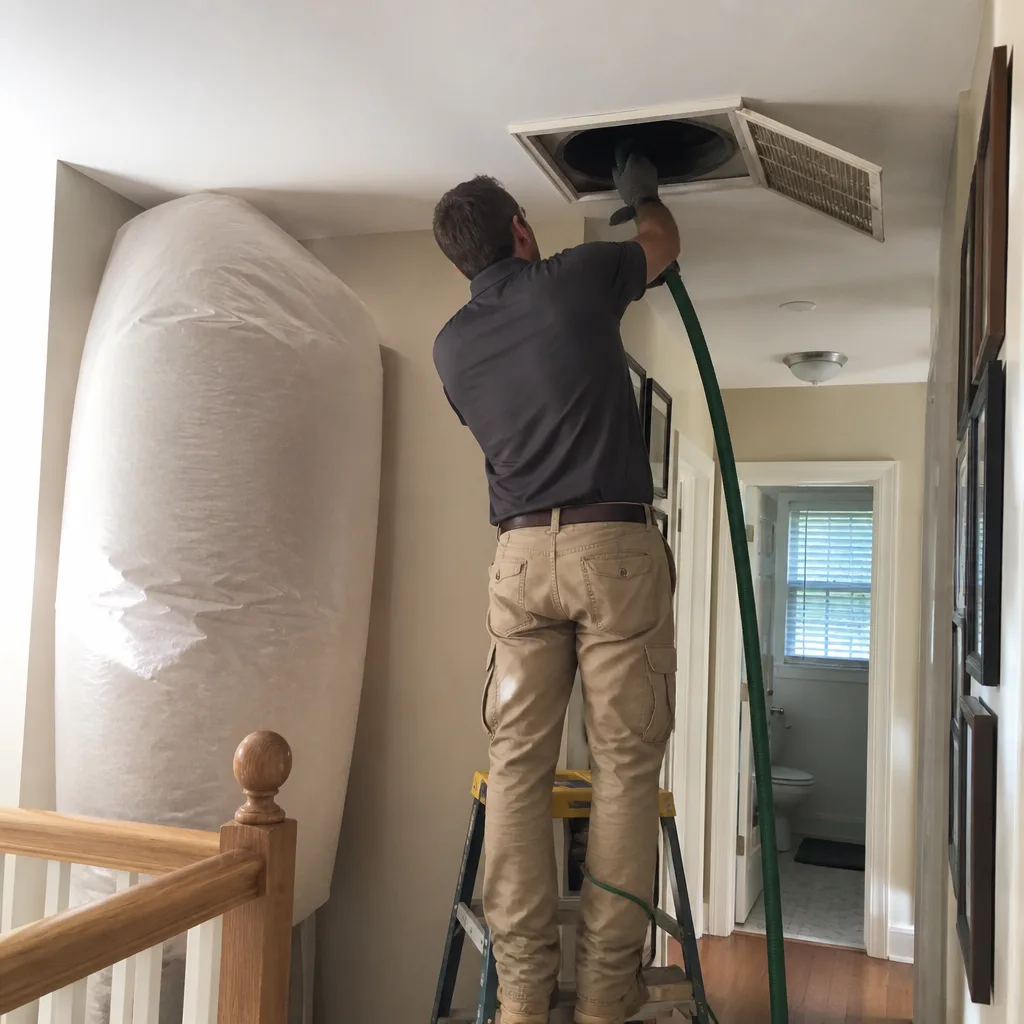
A duct cleaning contract is not a generic service agreement. It is a scope document that protects both parties. These elements must appear in writing:
- Line-item scope: Each component of the system to be cleaned, listed separately. Supply trunk, return trunk, plenum, individual duct runs, registers, and grilles. If the dryer vent is included, it is a separate line item.
- Access-point count and location: Where the technician will cut or open the ductwork to insert equipment, and how those access points will be closed and sealed afterward. Unsealed access holes leak conditioned air and create pressure imbalances.
- Debris disposal method: Where the collected material goes. Legitimate contractors dispose of debris according to local regulations; in Alpharetta, this means transport to an approved waste facility, not dumping on your property or in your household trash.
- Defined completion standard: What “clean” means. The standard should reference visible debris removal verified by inspection, not a time limit (“two hours of cleaning”) or a vague promise (“thorough cleaning”).
- Total price and payment terms: One flat price for the agreed scope, with no undisclosed conditions. Payment due upon completion, not before work starts.
- Warranty terms: Duration, trigger, and remedy, as described in Step 5 above.
A contract reading “whole-house duct cleaning - $199” contains none of these elements. It is not a contract. It is a receipt for a service that has no defined beginning or end. We have reviewed competitor paperwork brought in for CleanRun Air Duct Cleaning Alpharetta home free second opinions; the most common deficiency is a single line item with no scope definition, making dispute resolution impossible.
Your Post-Job Verification Checklist
The work is complete when the technician says it is complete. Your job is to verify that statement before payment. Use this checklist:
- Review the photo record. You should see before and after images of every duct run, with timestamps or sequence markers. The after photos should show visibly cleaner duct walls. If the technician claims a run “wasn’t that dirty,” the before photo should support that claim.
- Inspect access-hole covers. Every opening created for equipment insertion should be sealed with a metal patch, foil tape, or mechanical fastener, not duct tape alone. Duct tape degrades in temperature swings and will leak within months.
- Check register fit and condition. Registers should be reinstalled securely, with no bent fins or missing screws. The surrounding drywall or flooring should be clean, not scuffed or debris-strewn.
- Run the system and listen. Unusual whistling or rattling indicates a loose access cover, a disconnected duct section, or debris left inside. The system should sound as it did before cleaning, or quieter.
- Verify the written invoice matches the quoted scope. No line items should appear that were not in the original quote. If the technician discovered “additional contamination” requiring more work, that discovery should have been documented with photos and approved by you before proceeding.
- Receive the warranty document. Not a verbal mention. A physical or digital document with the company name, your address, the date, and the warranty terms.
CleanRun delivers all of this as standard. The photo record, the written scope completion, and the warranty document are part of every job record, not optional add-ons. If your contractor treats any of these as unusual requests, that reveals their normal practice.
Alpharetta-Specific Considerations
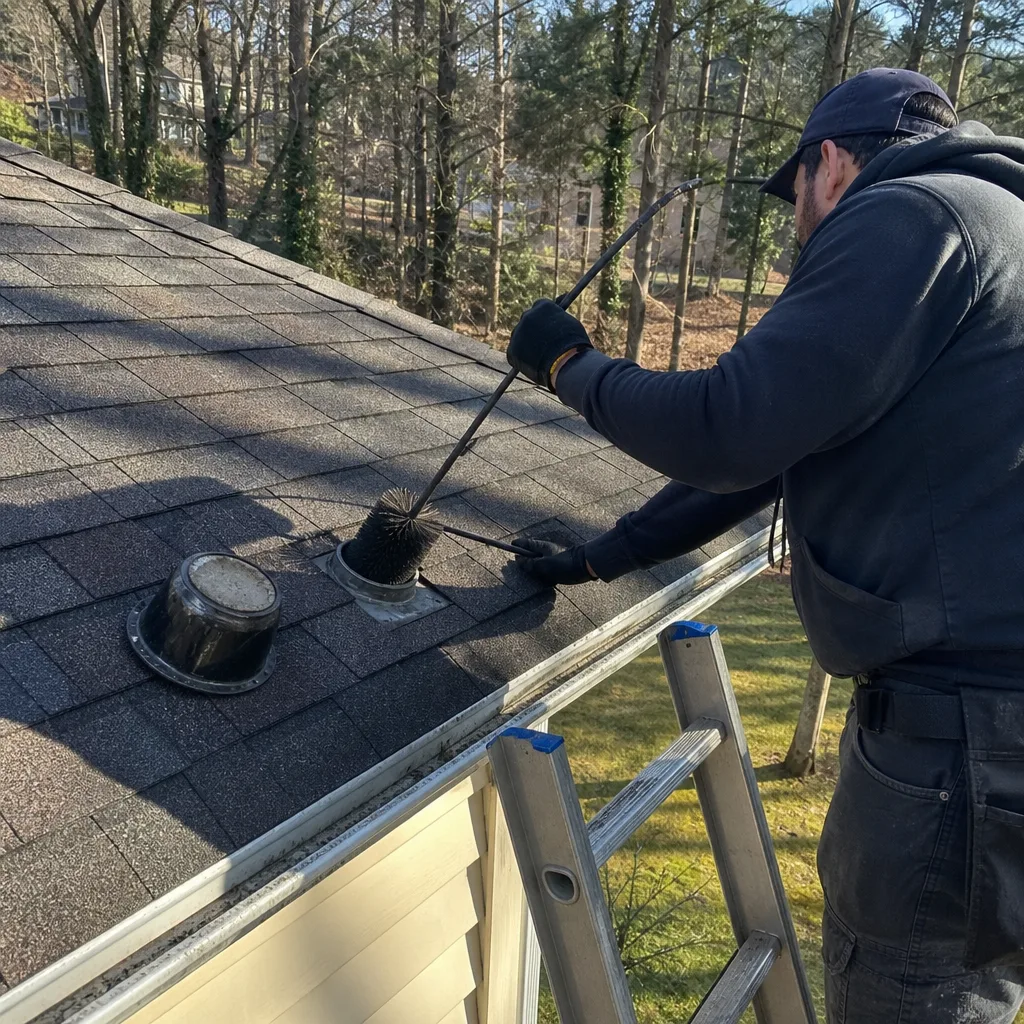
Alpharetta’s housing stock and climate create specific conditions that affect duct cleaning needs and contractor selection. For year-round maintenance tips, read our Seasonal Air Duct Cleaning Care for Alpharetta: Year-Round Homeowner’s Guide.
New construction debris: Homes built between 2015 and 2025 in developments like Avalon, Windward, and the Halcyon area often have ducts contaminated with construction residue. Drywall dust is particularly abrasive to blower motors and heat exchangers. We regularly find 2-4 inch accumulations at the first elbow downstream of the plenum in these homes. The builder’s “duct cleaning” is typically a compressed-air blowout without extraction, which pushes debris into branch lines.
Humidity and microbial growth: Alpharetta’s summer humidity averages 70%+, and poorly sealed duct systems in vented attics draw moist outside air. This creates conditions for mold growth on fiberglass duct liner, particularly in homes with oversized AC units that short-cycle. A legitimate contractor inspects for this condition and recommends remediation if found, not sanitizing spray as a default upsell.
HOA and aesthetic requirements: Many Alpharetta neighborhoods have strict exterior appearance rules. Truck-mounted equipment requires curb parking or driveway access; confirm your contractor’s vehicle fits your community’s restrictions. CleanRun’s crews are trained to protect landscaping and hardscaping during hose routing.
Local permit awareness: While duct cleaning itself does not require a permit in Alpharetta, duct modifications or repairs may trigger inspection requirements under Fulton County building codes. A contractor performing sealing or repair work should know when to pull a permit and include that cost in the written quote.
What Air Duct Cleaning Actually Costs in Alpharetta
Honest pricing is a core brand promise at CleanRun. For a detailed look at what drives these numbers, see our Air Duct Cleaning Cost Breakdown: The Alpharetta Homeowner’s Reference for 2026. These ranges reflect what we have quoted for Alpharetta homes since 2013, based on actual written estimates delivered under Haven Standard Clause 1.
| Home Size / System Type | Typical Range | What Affects Price |
|---|---|---|
| Under 2,500 sq ft, single-zone | $380 - $520 | Number of registers, accessibility of main trunk |
| 2,500 - 3,500 sq ft, single or dual-zone | $480 - $680 | Zone damper access, basement vs. attic mechanical location |
| 3,500 - 5,000 sq ft, multi-zone | $620 - $890 | Number of air handlers, complexity of return system |
| Dryer vent cleaning (add-on or standalone) | $140 - $220 | Length of run, number of elbows, roof termination vs. wall |
| HVAC cleaning (blower, coils, cabinet) | $280 - $420 | System accessibility, contamination level |
These are whole-system prices, not per-vent calculations. Per-vent pricing creates perverse incentives: the contractor minimizes time per vent or declares some vents “clean enough” to avoid. A flat price per system, agreed before work starts, aligns the contractor’s incentive with thorough completion.
Why some quotes are cheaper: the $79-$149 range universally indicates a coupon operation using portable shop-vac equipment, no photo documentation, and undefined scope. The $200-$300 range from established competitors often excludes the plenum or return trunk, which are then offered as add-ons. Always compare line-item scope, not headline price.
CleanRun offers a Air Duct Cleaning in Alpharetta free second opinion on any written estimate: bring a competitor’s quote, and we will put our line-item scope and price next to it in writing, at no cost.
Common Mistakes to Avoid
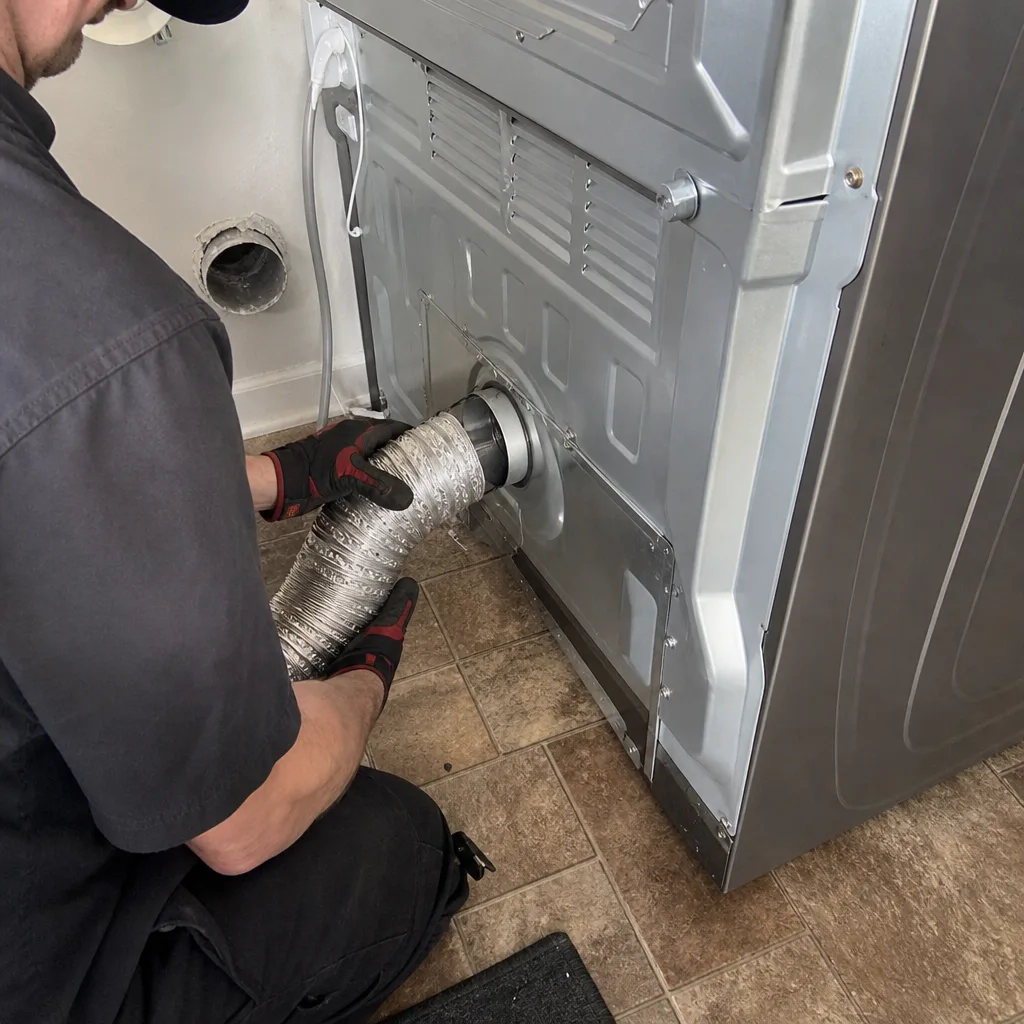
- Starting with price comparison. Comparing a $79 coupon to a $480 written quote is not comparing the same service. Establish scope equivalence first, then compare prices.
- Accepting verbal warranties. “We’ll make it right” means nothing without a written trigger and remedy. Every CleanRun job includes the 365-Day Done Right Promise in writing.
- Ignoring equipment verification. The truck arrives, you are busy, and you assume the equipment is professional. Walk outside and look. A shop-vac fits in a sedan trunk; a truck-mounted unit requires a dedicated vehicle.
- Scheduling without scope confirmation. “Whole-house duct cleaning” is not a scope. Confirm the specific components, the access points, and the completion standard before the technician enters your home.
- Skipping post-job verification. The technician is packing up, you are tired, and you pay without reviewing the photo record. This is when undocumented work goes unchallenged. We build verification time into every CleanRun appointment.
- Assuming new ducts are clean. Construction debris in Alpharetta’s newer homes is often worse than accumulated dust in older systems. Do not defer initial cleaning based on home age.
- Confusing sanitizing with cleaning. Chemical sanitizers applied to dirty ducts are ineffective; the debris must be removed first. Sanitizing is a separate service with its own standards and should not be sold as a substitute for mechanical cleaning.
When to Call a Professional
Call a duct cleaning contractor when you can see debris at registers, when airflow is noticeably uneven between rooms, after any construction or renovation work, or when your HVAC technician notes contamination during routine service. In Alpharetta’s pollen-heavy spring seasons, we also see increased demand from homeowners with allergy-sensitive family members, though duct cleaning should be one component of a broader indoor air quality strategy, not a standalone solution. Browse our more guides & resources for additional indoor air quality strategies.
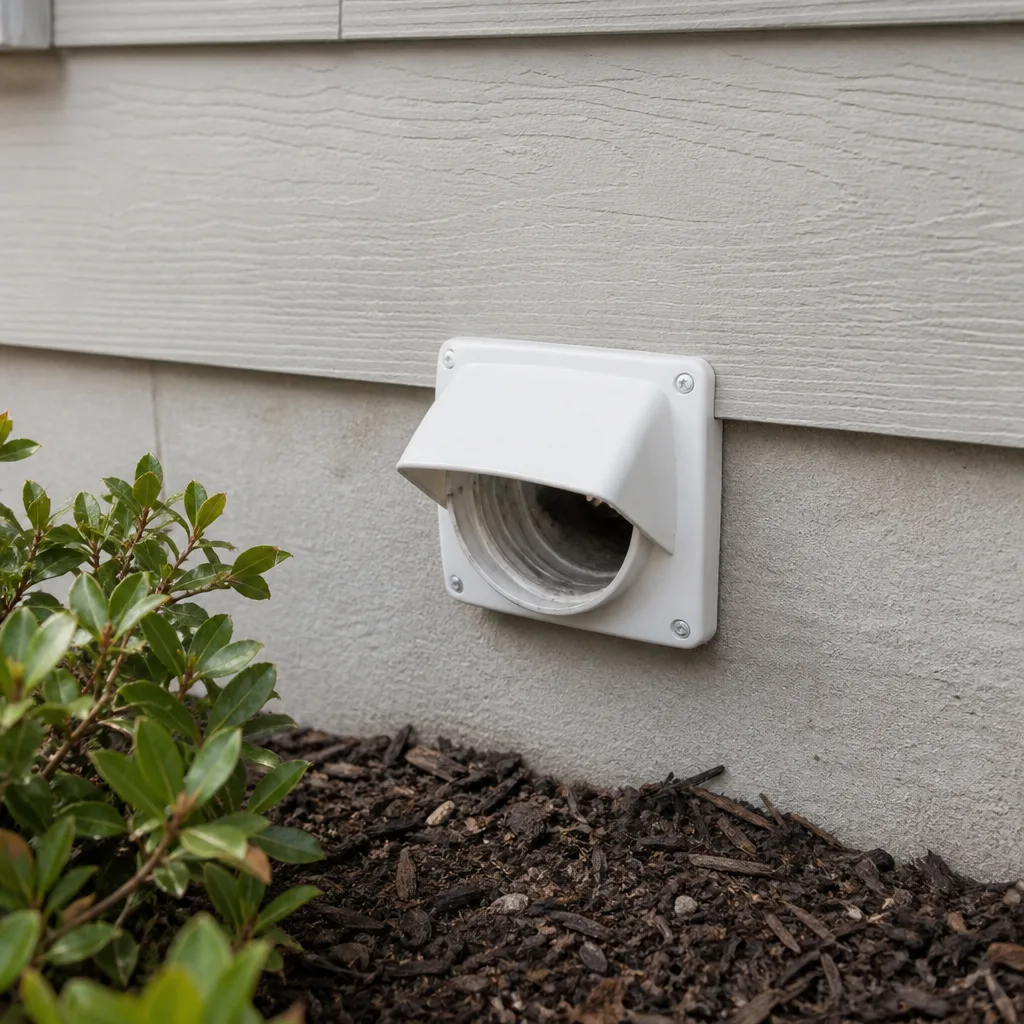
CleanRun Air Duct Cleaning Alpharetta offers free estimates in Alpharetta - call (678) 679-7540. Every estimate includes a written, line-item quote before any work is scheduled, and our HVAC Cleaning in Alpharetta service can be bundled with duct cleaning for complete system treatment. We also provide Dryer Vent Cleaning in Alpharetta as a standalone or add-on service, with the same documentation standard.
Frequently Asked Questions
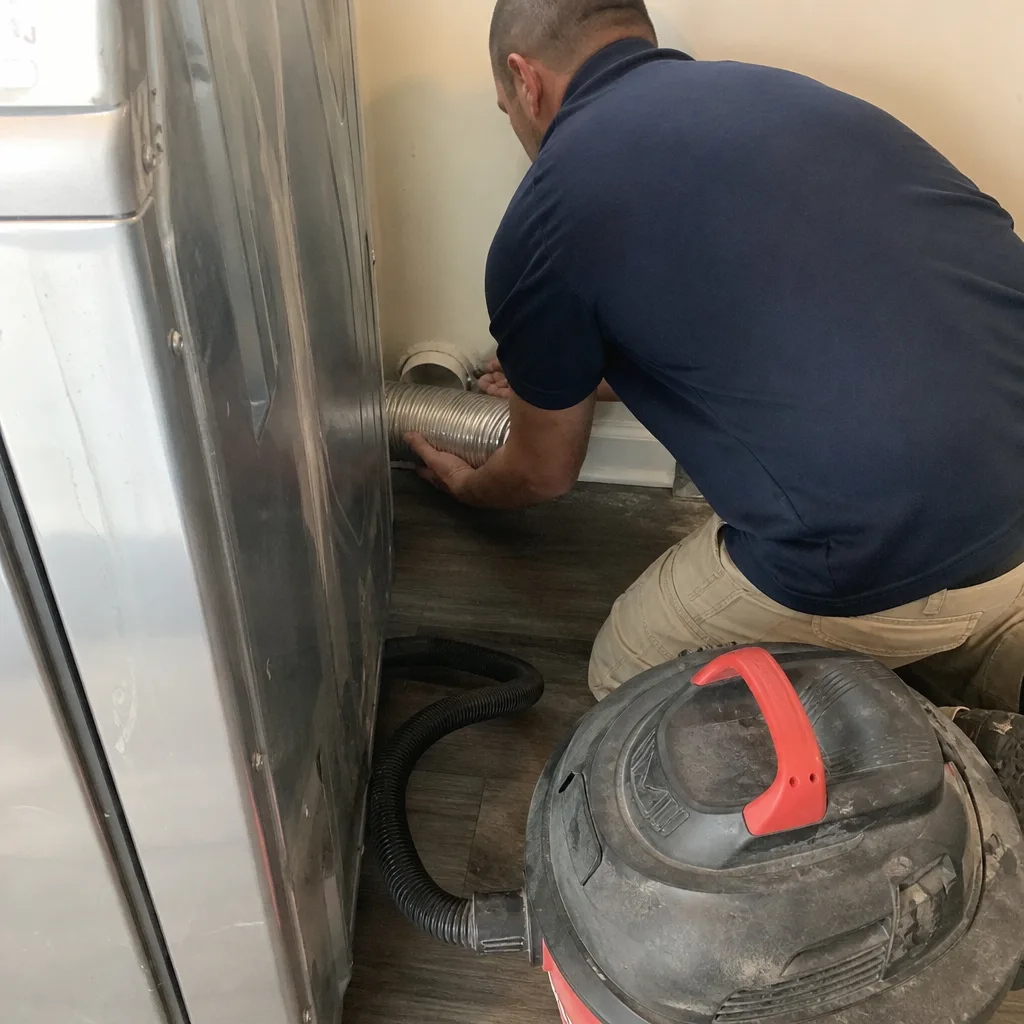
Whole-system duct cleaning for a typical Alpharetta home ranges from $380 to $890 depending on square footage, system complexity, and accessibility. The $79-$149 coupon prices universally exclude components that are then sold as add-ons. Call (678) 679-7540 for a written, line-item quote with no obligation.
Low quotes rely on undefined scope and equipment that cannot perform the work. A shop-vac with a long hose costs the operator almost nothing; a truck-mounted negative-pressure system from Nikro or Abatement Technologies represents significant capital investment. The cheaper quote is not a better deal; it is a different service entirely, often designed to generate add-on sales after arrival.
Require a photo record of every duct run before and after. The images should show your specific ductwork, with identifying features like junctions, elbows, or construction markings visible. Stock photos or single “representative” images are not proof. CleanRun delivers timestamped photo records as a standard deliverable on every job.
For most Alpharetta homes, every 3-5 years under normal conditions. New construction, recent renovations, or visible mold growth may accelerate this timeline. Homes with shedding pets or occupants with severe allergies sometimes benefit from more frequent service. The photo record from your previous cleaning establishes a baseline for this decision.
NADCA (National Air Duct Cleaners Association) is the industry trade organization that sets the ACR standard for duct cleaning. Membership is not legally required, but it provides verified training standards, insurance requirements, and a complaint resolution process. We recommend checking any claimed membership at nadca.com independently, as some operators display outdated or fraudulent logos.
Yes, if it has not been cleaned within the past year. Dryer vent blockages are a leading cause of house fires, and the service uses related equipment and access. CleanRun offers dryer vent cleaning as a bundled service with duct cleaning, with the same written pricing and photo documentation standard. See our Dryer Vent Cleaning in Alpharetta page for specific pricing.
The Bottom Line
Hiring a duct cleaning contractor in Alpharetta comes down to documentation: written price, verified equipment, photo proof, and written warranty. The companies that resist these requests are not hiding better value; they are hiding the absence of it. Ask the five verification questions before you schedule. Inspect the equipment when the truck arrives. Verify the work before you pay. The $79 coupon survives because homeowners skip these steps. Do not skip them.
CleanRun has served 52,000+ homes since 2013 under these standards. Every job starts with a written price and ends with a documented photo record. If you are evaluating a quote or need a comparison, we provide free second opinions on any written estimate.
Written by Tomas Reyes, Owner at CleanRun Air Duct Cleaning Alpharetta, serving Alpharetta since 2013.