
Last updated September 23, 2026
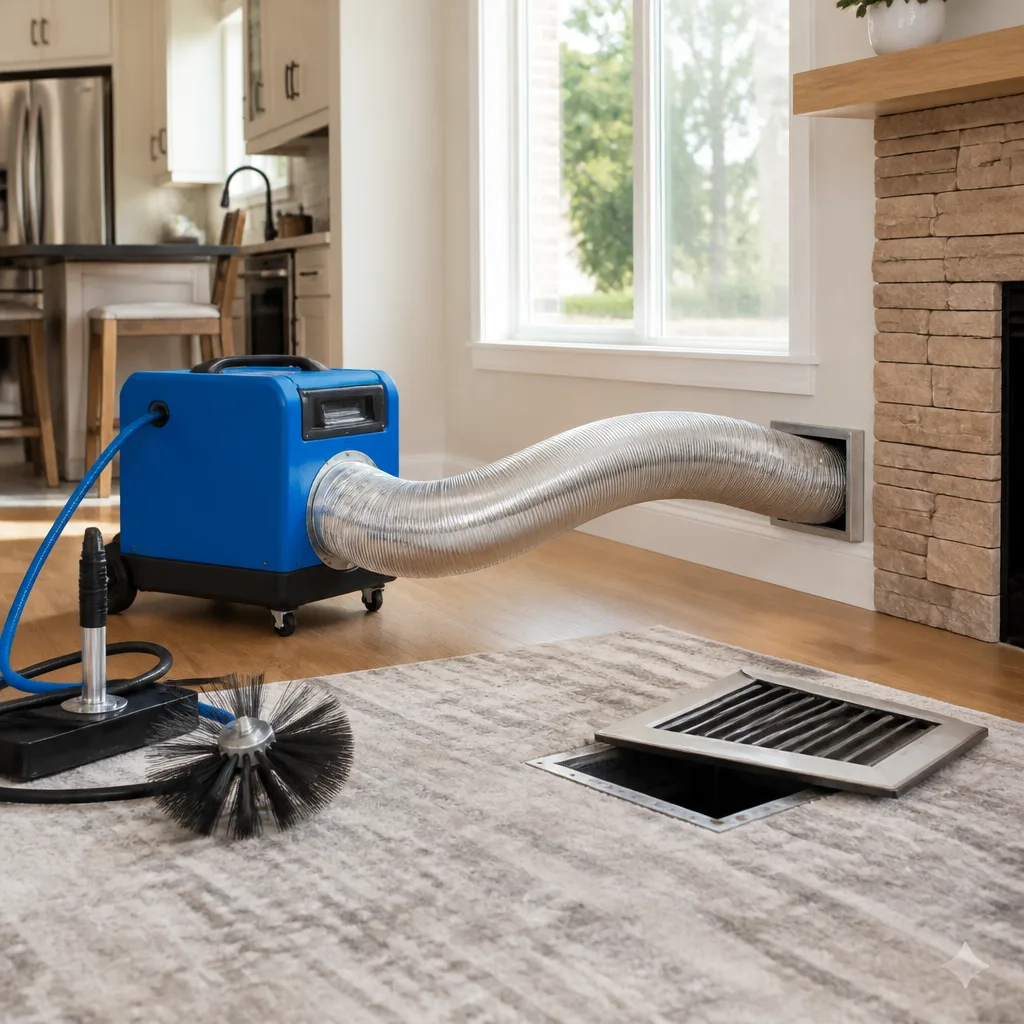
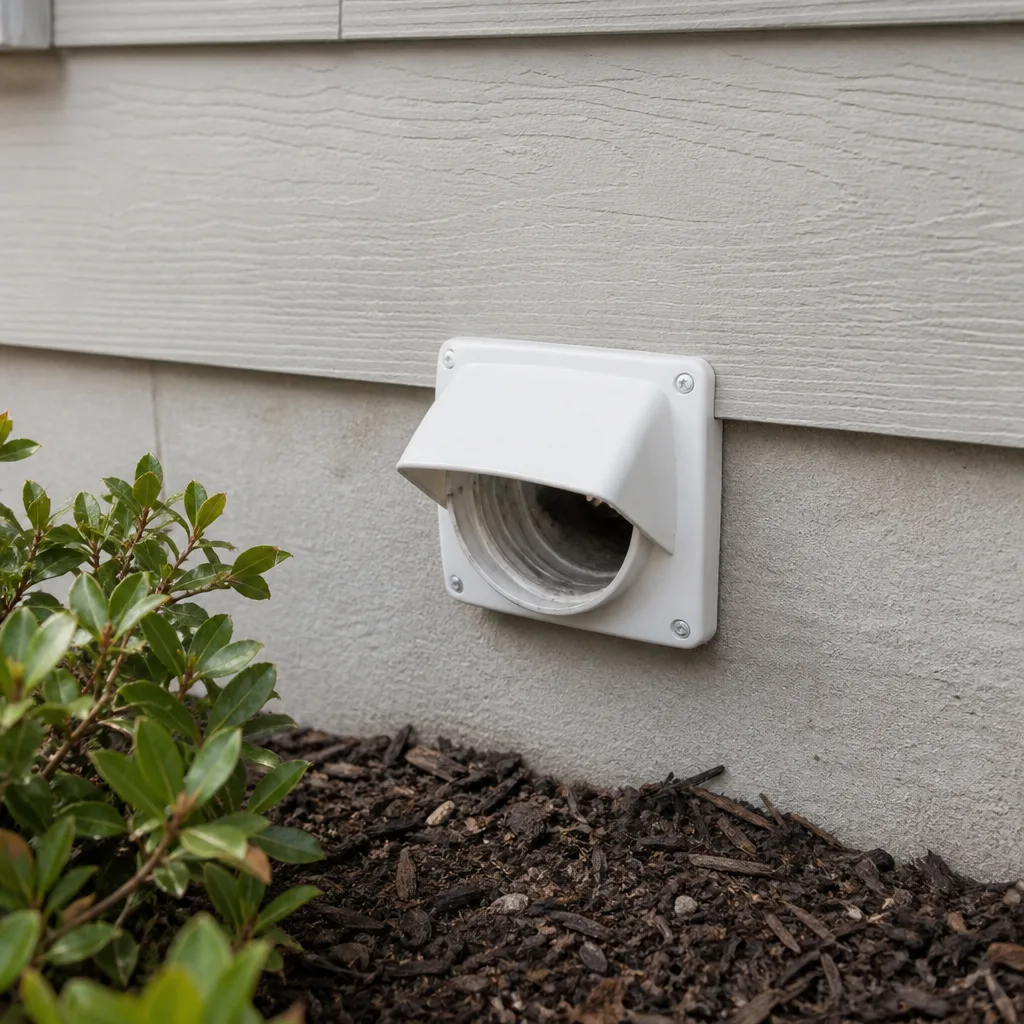
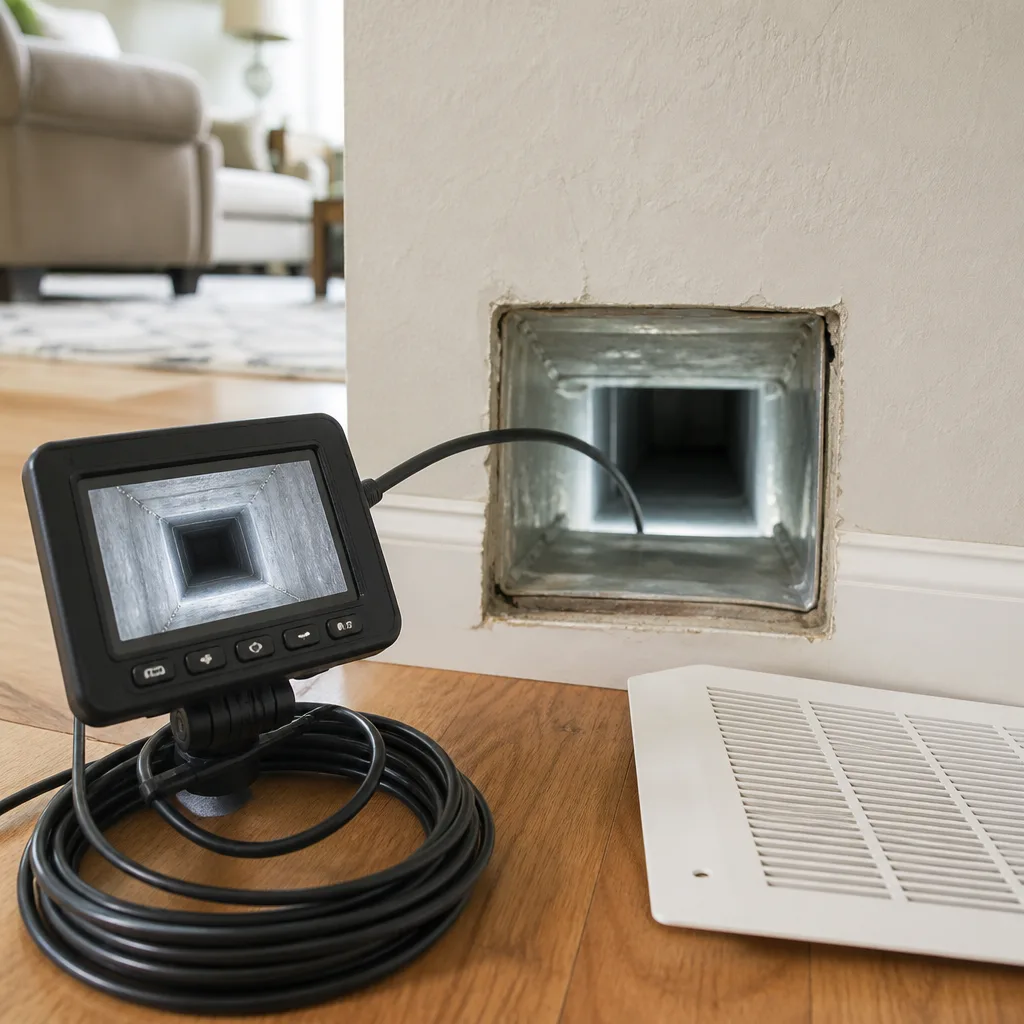
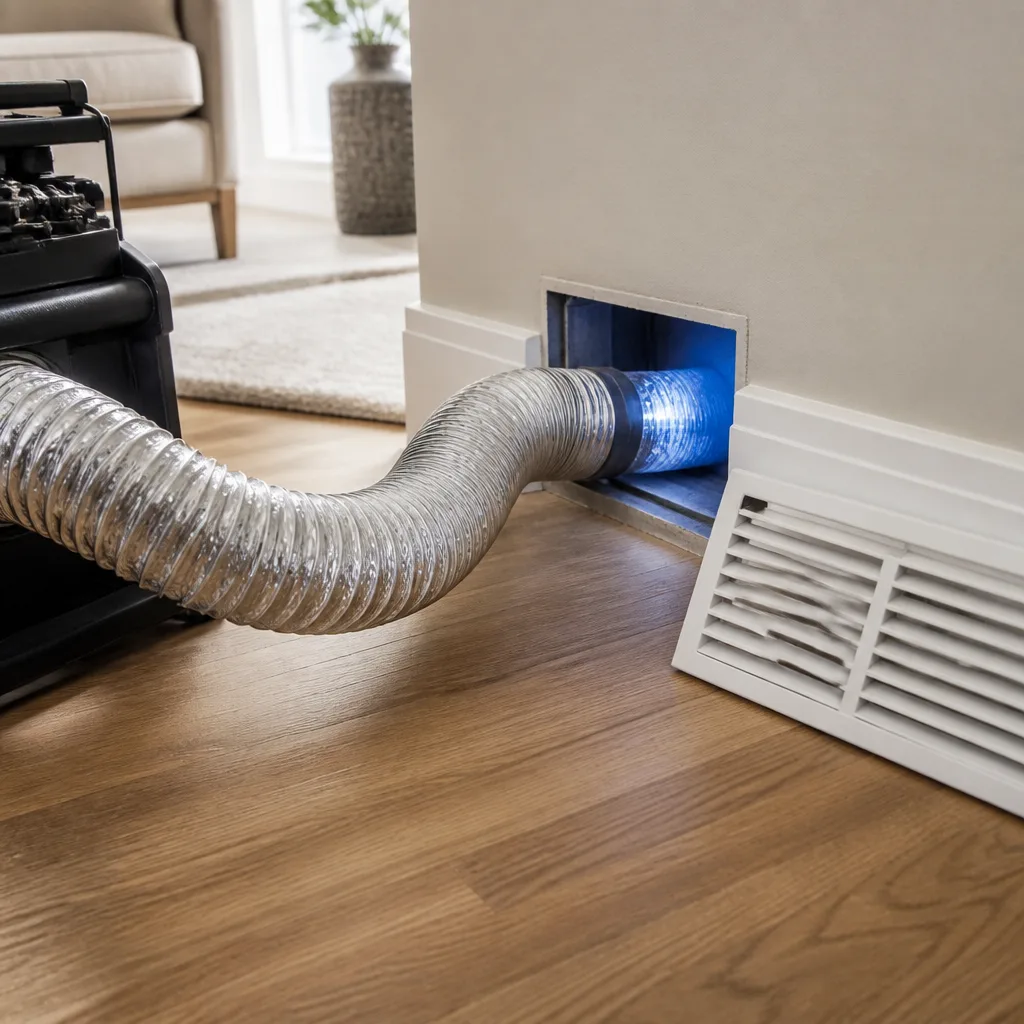
Whole-system duct and dryer vent check with before-and-after photos - you see exactly what came out of your vents
That "$99 whole-house special" is a bait ad - the real number appears once they are in your hallway, or the "clean" is a shop-vac at the register. We photograph the inside of your ducts before and after instead.
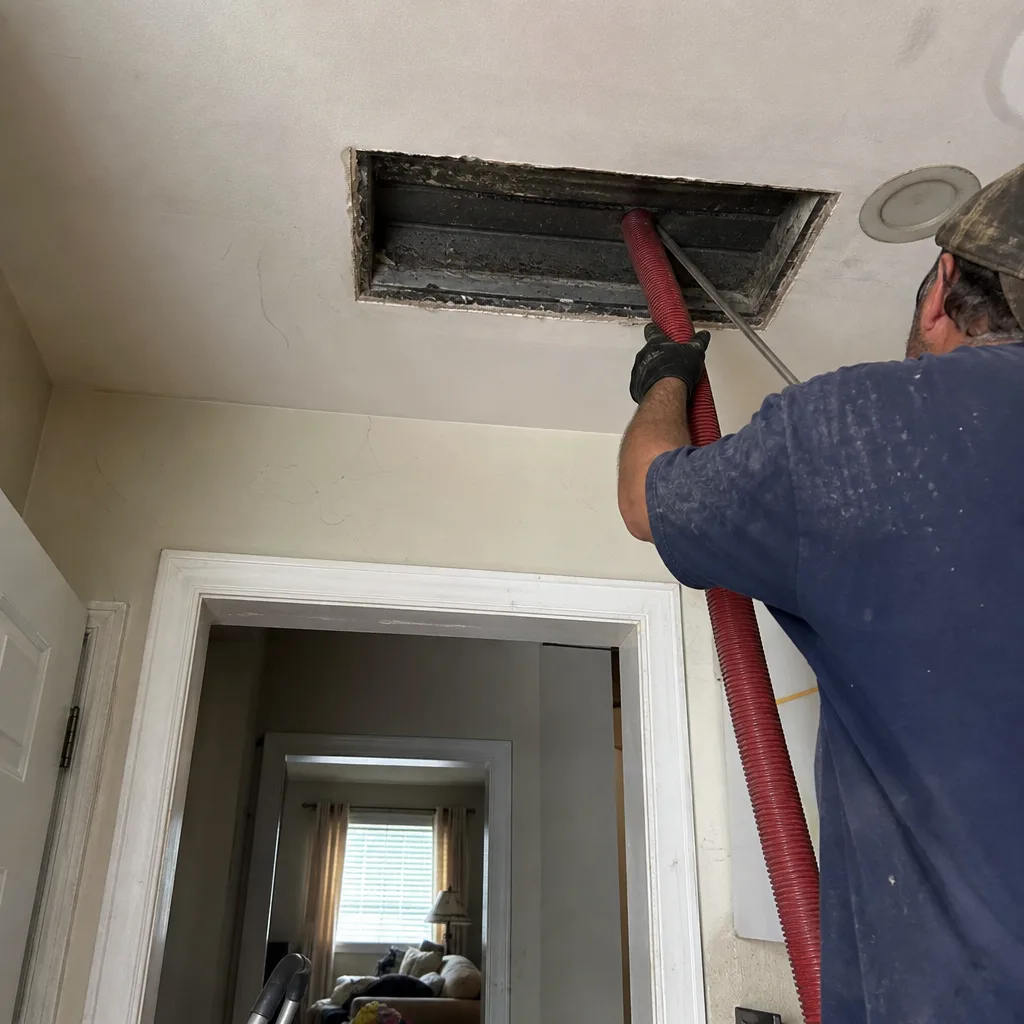 Before
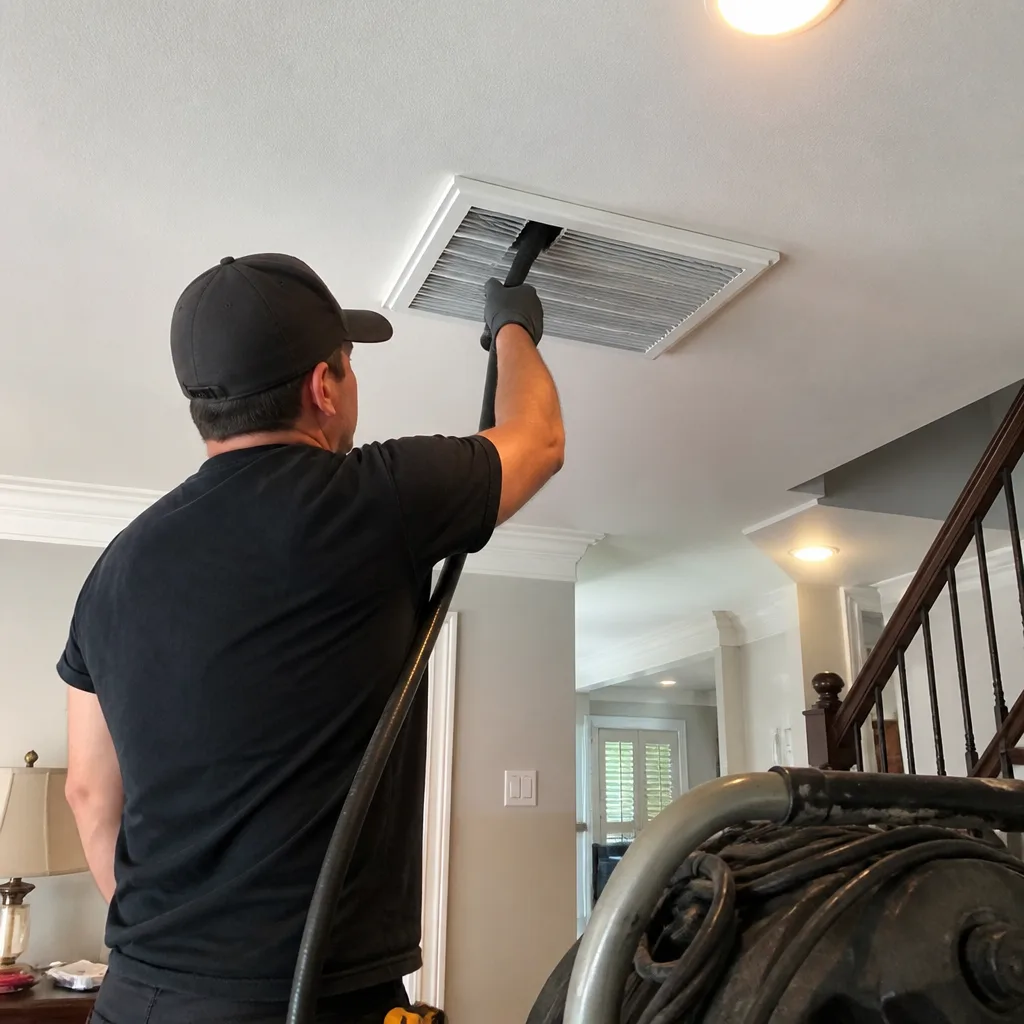 After
After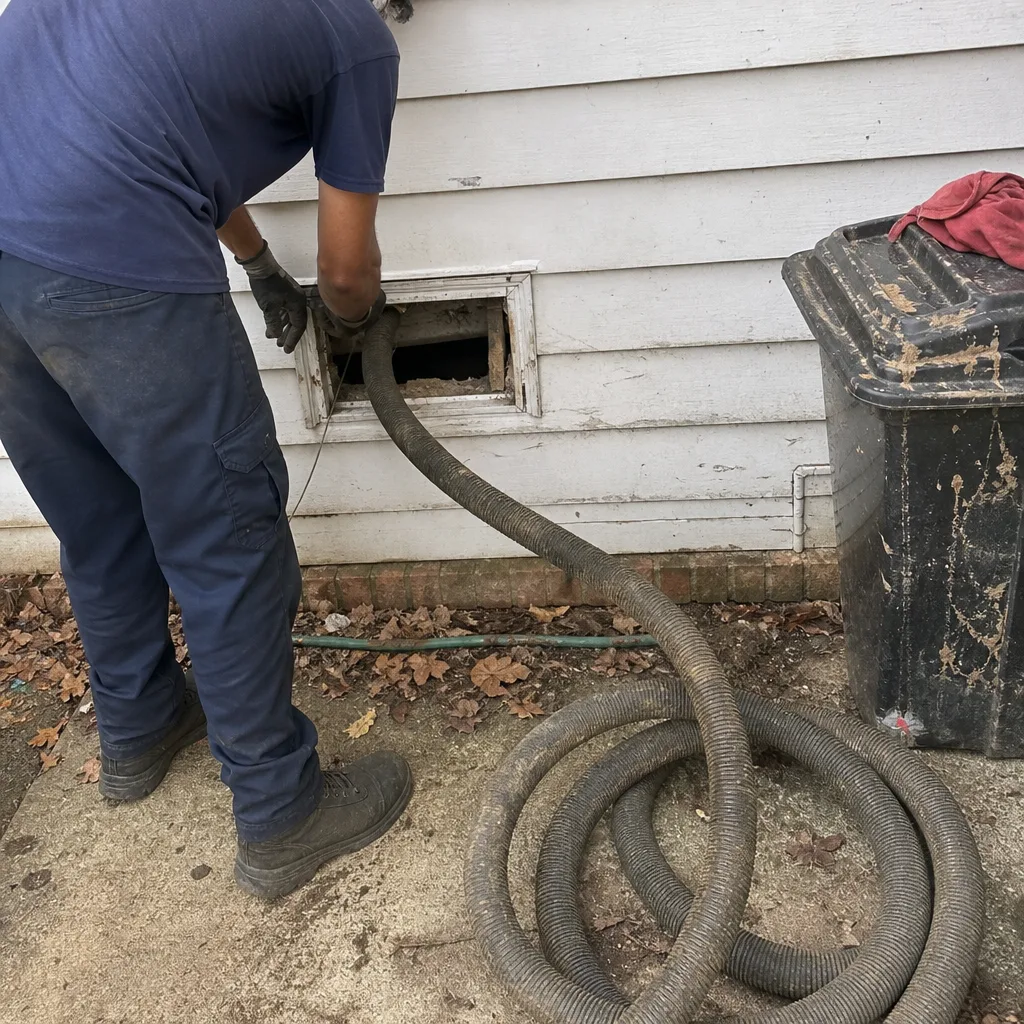 Before
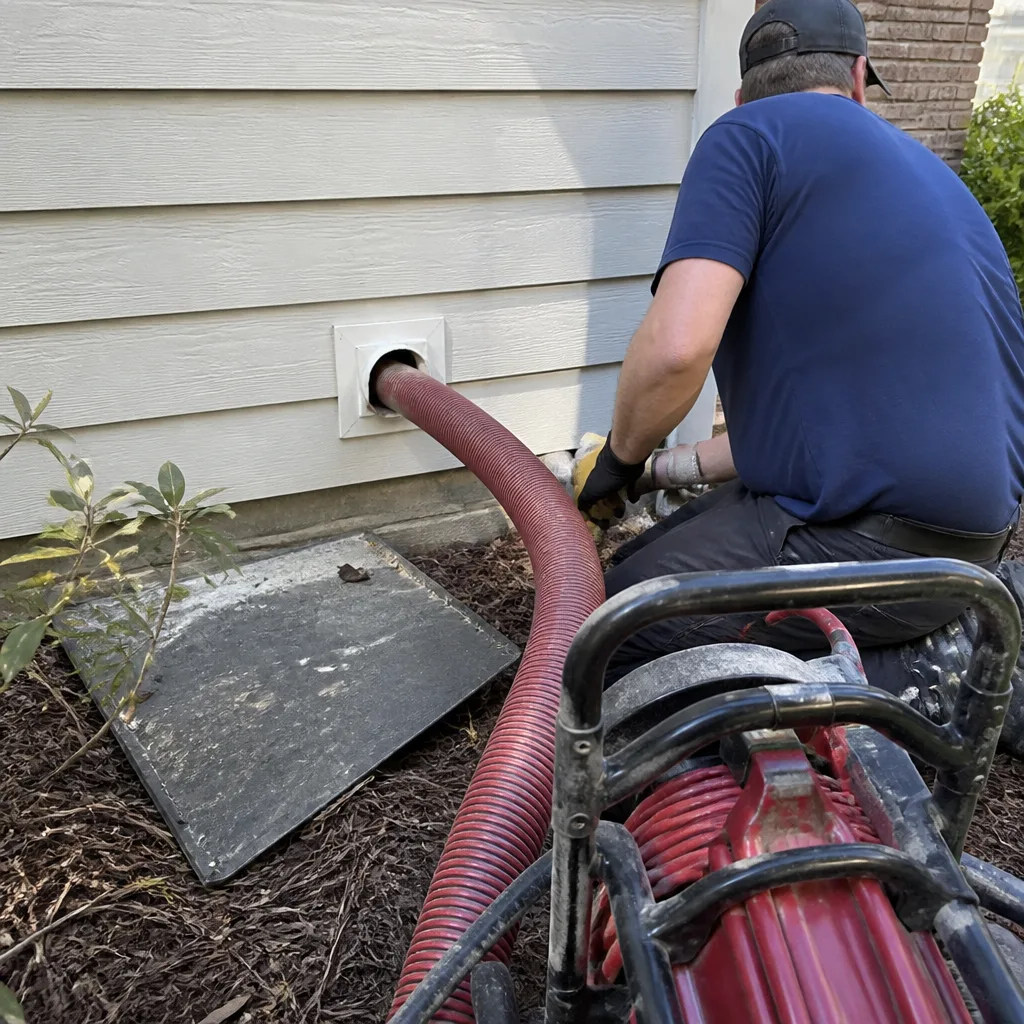 After
After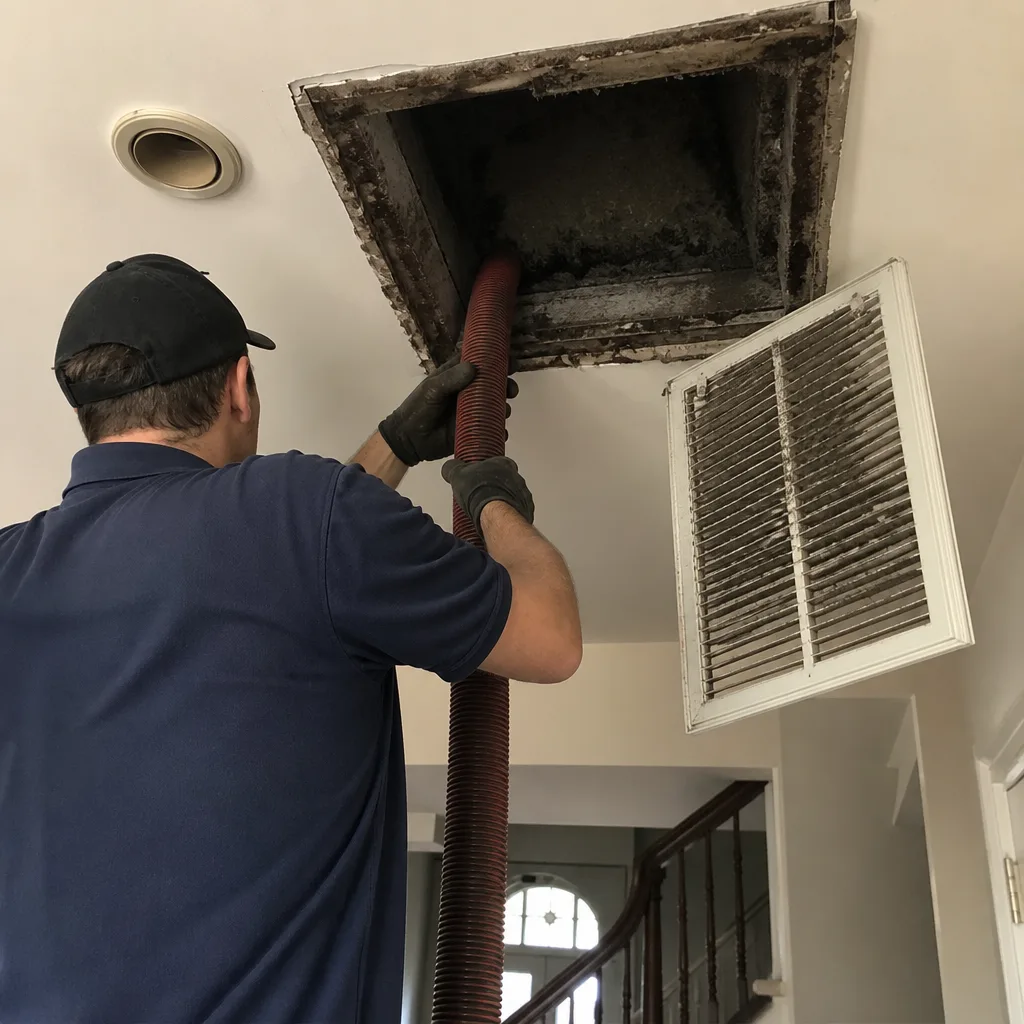 Before
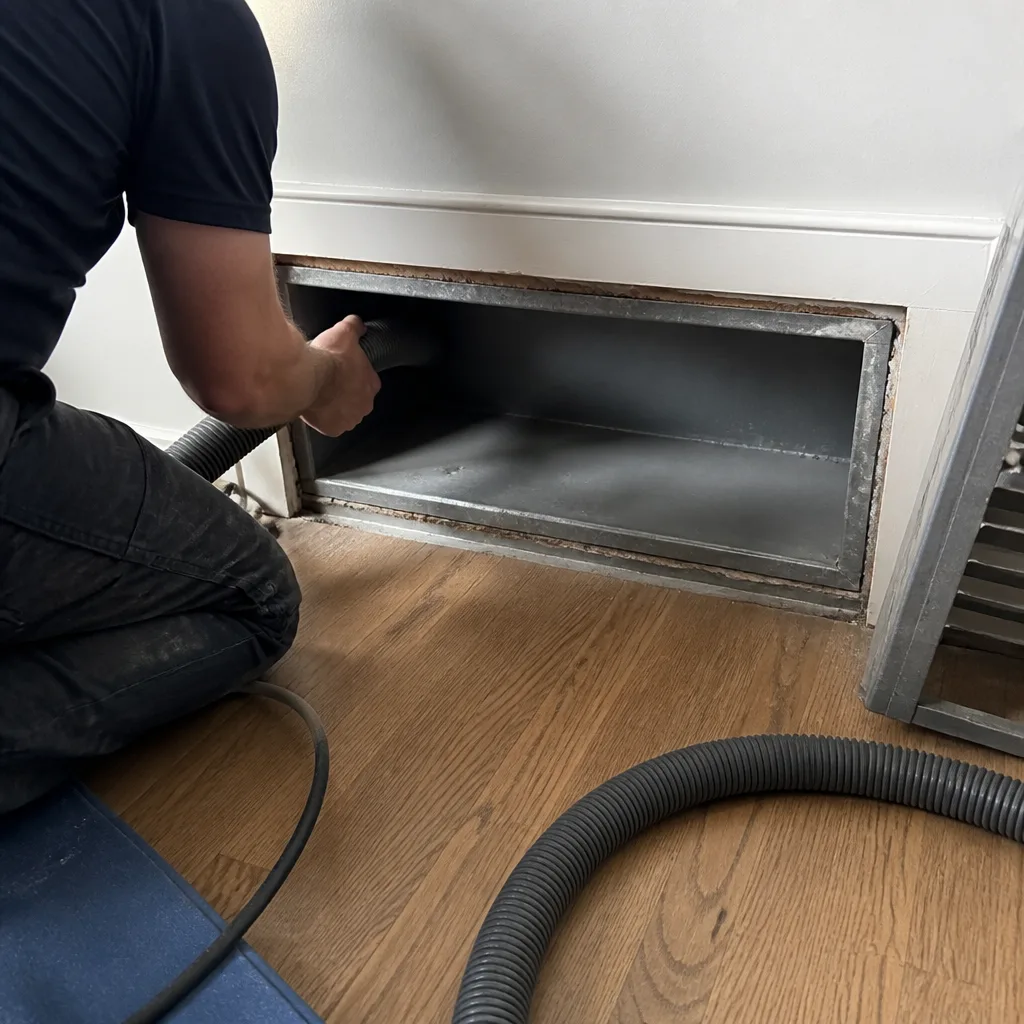 After
AfterAir Duct Cleaning Maintenance Checklist for Alpharetta Homeowners
The EPA does not recommend cleaning air ducts on a fixed schedule. It recommends cleaning when specific conditions exist: visible mold, vermin infestation, or debris release from registers. Yet most “maintenance checklists” you will find online treat duct cleaning like an oil change, something to calendar every three to five years regardless of what is actually happening inside your system. In Alpharetta, where spring oak pollen counts regularly exceed 3,000 grains per cubic meter and summer humidity pushes ductwork in crawlspaces to condensation points, that calendar approach costs money without producing evidence. This guide gives you a checklist organized by what you can observe, measure, and document in your own home, so you schedule Air Duct Cleaning based on conditions, not convention.
Quick Answer
A proper air duct cleaning maintenance checklist for Alpharetta homeowners tracks observable conditions, not calendar years: visible debris at register faces, temperature variation between rooms, filter loading rates during pollen season, humidity indicators in crawlspace ductwork, and post-cleaning photo baselines for comparison. For a deeper look at when action is truly needed, see our Air Duct Cleaning Warning Signs: A Alpharetta Homeowner’s Reference Guide. Clean when evidence crosses thresholds, not when a reminder email says so.
Table of Contents
- Observable Triggers: What You Can See, Smell, and Measure
- Filter Inspection Protocol for Alpharetta’s Pollen Environment
- Alpharetta-Specific Ductwork Conditions
- What Homeowners Can Check vs. What Requires a Camera
- Post-Cleaning Baseline Record Template
- Equipment Standards That Affect Results
- Common Mistakes to Avoid
- When to Call a Professional
- Frequently Asked Questions
 Before
 After
AfterObservable Triggers: What You Can See, Smell, and Measure
The checklist starts with your senses and a thermometer, not a calendar. These are the conditions the EPA and NADCA (National Air Duct Cleaners Association) cite as actual indicators that duct cleaning is warranted. Track them quarterly in Alpharetta, where seasonal shifts are pronounced.
Visual Indicators
Remove a floor or ceiling register and look inside with a flashlight held at an angle, not straight in. You are checking for:
- Debris accumulation on register vanes: A light dust film is normal. Clumps or streaks that return within two weeks of wiping indicate active discharge from the duct run.
- Dark staining around register edges: This suggests sustained airflow pushing particulate through gaps between the register boot and the finished surface, often caused by disconnected flex duct behind the wall.
- Visible debris 6+ inches past the register throat: If you can see buildup beyond the boot where the duct proper begins, the trunk line likely carries substantially more. This is your threshold for professional inspection.
In Alpharetta neighborhoods like Windward and Avalon, we regularly find that new construction homes (2015-2020) have this register-edge staining because flex duct was pulled tight during framing and separated from the boot collar within the first two years of occupancy.
Olfactory Indicators
Smell tests work best when the system has been off for at least four hours, then starts on a heating cycle. Note:
- Musty or earthy odor on startup: Indicates moisture accumulation, often in uninsulated plenums or sagging flex in crawlspaces. Common in Alpharetta’s July-September humidity window.
- Acrid or “hot dust” smell: Usually surface debris on the heat exchanger or electric strip heat elements, not deep duct contamination. Duct cleaning alone will not resolve this.
- Persistent odor that returns within 48 hours of filter change: Suggests biofilm or organic debris in the trunk line, not just filter loading.
Measurable Indicators
These require basic tools: an infrared thermometer or standard digital thermometer, and a notepad.
- Delta-T across rooms: With the system running 20 minutes, measure supply air temperature at the register in each room. Record the difference between the warmest and coolest room. A spread greater than 4°F suggests restriction or leakage in the duct run serving the cooler room. In Alpharetta’s cooling-dominant climate, this often traces to disconnected flex duct in the attic or crawlspace.
- Static pressure trend: If your thermostat displays static pressure, or if you have a manometer installed, note the reading monthly. A rise of 0.3 inches water column over six months indicates filter loading or duct restriction. Most Alpharetta homes with standard 1-inch filters see this rise between March and May pollen season.
- Runtime extension: Compare cooling cycle length for the same outdoor temperature month to month. A 15% increase in runtime at 85°F outdoor conditions suggests the system is working harder to move the same air volume, often due to duct restriction or leakage.
Documentation Rule
Record each observation with a date and the outdoor conditions. A notebook entry reading “March 15, 82°F outside, oak pollen high, bedroom register shows clumped debris 4 inches in, delta-T 6°F between bedroom and living room” is actionable. An entry reading “ducts seem dirty” is not.
Filter Inspection Protocol for Alpharetta’s Pollen Environment
Filters are the most inspected and most misread component in residential HVAC. In Alpharetta, where the pollen season runs February through May with oak, pine, and birch peaks, a filter’s appearance at 30, 60, and 90 days tells you more about your ductwork’s loading rate than any calendar recommendation.
What to Look For at Each Interval
Use a MERV-8 pleated filter as your baseline, the minimum we specify under Haven Standard Clause 2 (Documented Filtration). Higher MERV ratings load faster and can strain residential blower motors not designed for the pressure drop.
| Interval | Normal Appearance | Concerning Appearance | What It Indicates |
|---|---|---|---|
| 30 days (mid-March) | Light gray film, uniform across pleats, visible but not thick | Dark gray or brown loading, debris concentrated on center pleats with clean edges, or visible fibers/plant matter embedded | Center loading suggests bypass around filter frame; embedded fibers indicate filter media failure or improper sizing |
| 60 days (mid-April) | Medium gray, pleat structure still visible, no sagging | Pleats collapsed or bowed toward blower, dark band at air-entry side with clean exit side, or odor when filter removed | Collapsed pleats mean excessive pressure drop, often from wrong filter type; dark band with clean exit means filter is at capacity and bypassing; odor indicates moisture or biofilm |
| 90 days (mid-May) | Dark gray, pleat structure partially obscured, still rigid | Black or green discoloration, any wetness, or debris falling from filter when removed | Green indicates mold; black with oily residue suggests candle soot or cooking grease bypassing range hood; wetness means condensation in return plenum, common in Alpharetta crawlspaces during humid months |
The Filter Frame Check
Remove the filter and inspect the track or frame it sits in. Gaps larger than 1/8 inch between filter edge and frame allow unfiltered air to bypass directly into the blower and ductwork. In Alpharetta’s pollen season, this bypass loads the ductwork at 3-4 times the rate of properly sealed filtration. We see this most often in homes with retrofit media cabinets, where the original 1-inch slot was adapted to hold a 4-inch media filter without proper sealing.
Filter Change vs. Duct Cleaning Decision
A filter loaded on schedule with uniform appearance and no bypass indicates the filtration system is doing its job. Change the filter and continue monitoring. A filter that loads prematurely, shows bypass staining, or carries odors into the ductwork indicates the duct system itself is contributing contamination or the filter interface is compromised. This is when duct inspection, not just filter change, becomes warranted.
Alpharetta-Specific Ductwork Conditions
Alpharetta’s housing stock, climate, and soil conditions create ductwork problems that do not appear in generic maintenance guides. Before scheduling work, check Air Duct Cleaning Permits, Codes & Inspections in GA: What You Need to Know to ensure compliance. These three conditions, crawlspace flex duct sag, red clay infiltration, and summer humidity condensation, should be on every local homeowner’s checklist.
Crawlspace Flex Duct Sag
Many Alpharetta homes built 1995-2015, particularly in neighborhoods like Nesbit Ferry and Birmingham Crossroads, use flexible ductwork suspended from floor joists in vented crawlspaces. Over time, the support straps loosen or the insulation weight pulls the duct into a U-shaped sag. Condensate collects in the low point. In summer, this becomes a mold reservoir; in winter, it restricts airflow to the rooms served.
Check from the crawlspace access: look for ducts that touch the vapor barrier or ground, or that show water staining on the outer insulation jacket. A properly supported flex duct maintains a continuous slope toward the register or trunk connection, with no low points. If you find sagging, the duct run needs re-support and likely replacement of the affected section, not just cleaning.
Red Clay Infiltration at Disconnected Joints
North Georgia’s red clay is fine-grained and pervasive. When duct joints separate, even by 1/4 inch, the pressure differential between crawlspace or attic and conditioned space draws this clay into the system. We have photographed red clay streaks extending 15 feet upstream from disconnected collar joints in Alpharetta crawlspaces. The clay itself is inert, but it carries moisture and provides a substrate for microbial growth.
From the register, this appears as orange-brown streaking on the boot walls. From the crawlspace, you may see clay dust accumulation on the exterior of ducts near joints. Either observation warrants camera inspection of the trunk line, not just register cleaning.
Summer Humidity Condensation in Uninsulated Plenums
Alpharetta’s July dew points regularly reach 70°F. When supply plenums in attics lack proper insulation, or when insulation has compressed or separated, the metal surface drops below dew point and sweats. This moisture drips onto ceiling drywall, creating the classic “mystery stain,” or runs back into the ductwork, mixing with accumulated dust into a paste that adheres to duct walls.
Check your attic plenum in July or August: look for water droplets on the exterior, compressed or displaced insulation, or rust staining on the metal. Interior condensation cannot be cleaned away; the insulation defect must be corrected first, then the ductwork assessed for residual contamination.
What Homeowners Can Check vs. What Requires a Camera
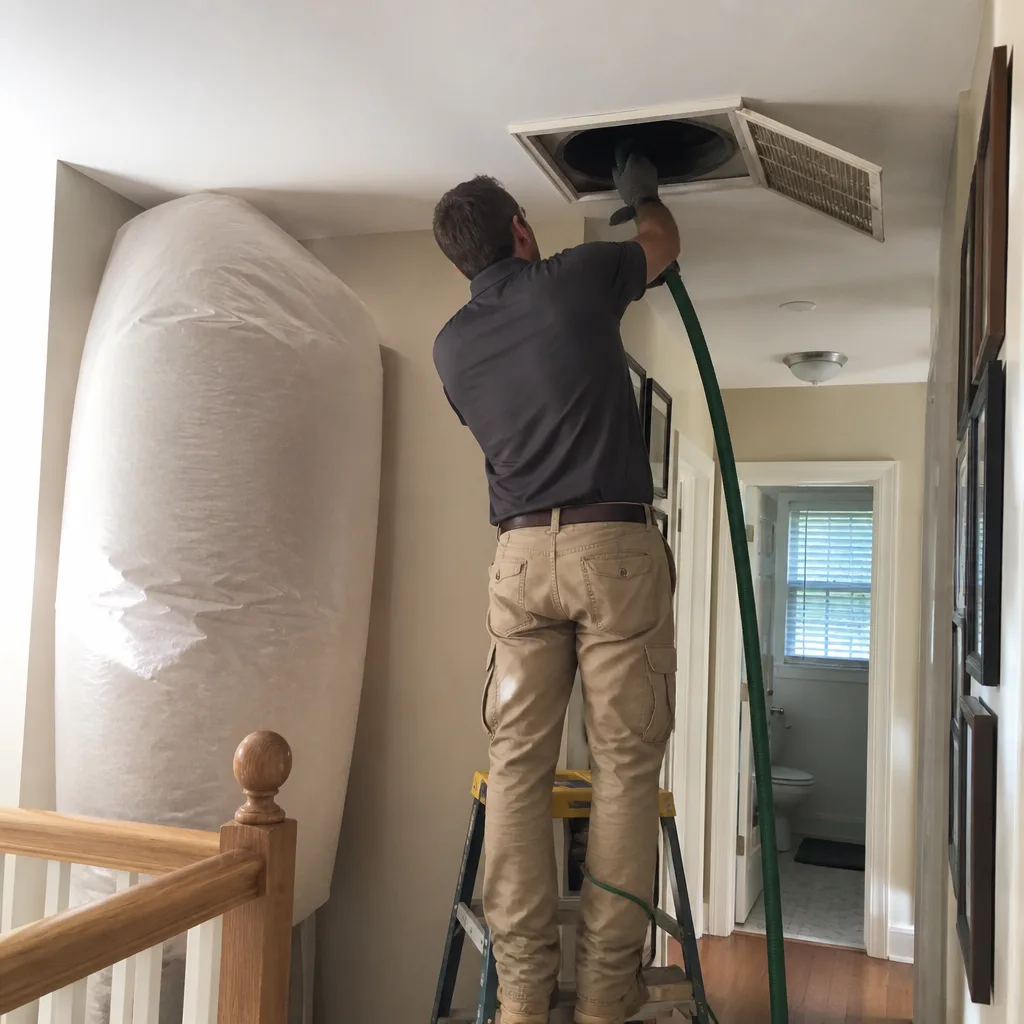
This distinction matters for safety, accuracy, and warranty preservation. The checklist below separates observable conditions from those requiring internal inspection.
Homeowner-Verified Items (No Tools Beyond Flashlight and Thermometer)
- Register face and throat debris
- Filter condition and frame fit
- Delta-T between rooms
- Runtime trends from utility bills or smart thermostat data
- Crawlspace duct support and sag (visual only, no contact)
- Attic plenum insulation condition (visual from access hatch, no entry required)
- Odor characterization on system startup
Professional Camera Inspection Items
- Trunk line debris depth and distribution
- Internal mold or biofilm on duct walls
- Joint separation location and extent
- Heat exchanger condition (furnace inspection, not duct-specific)
- Evaporator coil fouling (accessed through plenum, requires panel removal)
- Flex duct internal liner condition (tears, delamination)
The boundary between these lists is the duct wall itself. You can observe what enters or exits the duct system. You cannot assess what is happening inside the trunk line without a borescope or duct camera, tools that require training to interpret and, in the case of evaporator coil access, risk refrigerant line damage if handled improperly.
At CleanRun Air Duct Cleaning Alpharetta home, we provide the Documented Photo Record on every visit specifically so homeowners can see this internal condition without attempting access themselves. The camera shows a 3-inch debris build-up at the first elbow, or it shows clean metal. Either way, the evidence is in the record, not in the technician’s description.
Post-Cleaning Baseline Record Template
After professional cleaning, you need a documented starting point for future comparison. Without it, you are guessing whether conditions have changed. This template, based on the documentation we deliver with every CleanRun job, creates that baseline.
Your Baseline Record
Copy this structure into a document or note app. Fill it after cleaning, or request it from your contractor.
- Service date and contractor: Record the company name, technician names, and license number. In Georgia, residential HVAC contractors must hold a Conditioned Air Contractor license; the number should be published on the page, not buried in a footer.
- Scope of work: List each duct run cleaned, equipment used (e.g., Rotobrush negative-pressure extraction system), and any repairs made (sealing, support, insulation).
- Photo record confirmation: Note how many before-and-after images were taken, which runs they cover, and how they were delivered (email, portal, printed). CleanRun includes this as standard; if your contractor does not, request it or consider why not.
- Filter type and installation date: Record the MERV rating, dimensions, and manufacturer. This establishes the filtration baseline against which future loading will be compared.
- Static pressure reading: If measured, record pre- and post-cleaning static pressure. A meaningful drop (0.2+ inches water column) confirms restriction removal; minimal change suggests the restriction was elsewhere or the cleaning was superficial.
- Delta-T by room: Record the temperature spread after cleaning. This becomes your benchmark for detecting future degradation.
- Written price and warranty terms: Attach or reference the written scope and price document, plus any guarantee terms. CleanRun’s 365-Day Done Right Promise is backed in writing on every job; your record should include whatever guarantee your contractor provided.
- Next inspection date: Based on observed conditions, not calendar convention. If pollen season was the primary driver, schedule filter inspection for 30 days before next February. If crawlspace humidity was the issue, schedule crawlspace inspection for next July.
This record transforms duct maintenance from a recurring expense into a condition-based system. You inspect against the baseline, you document changes, and you schedule service when evidence crosses thresholds you can point to.
Equipment Standards That Affect Results
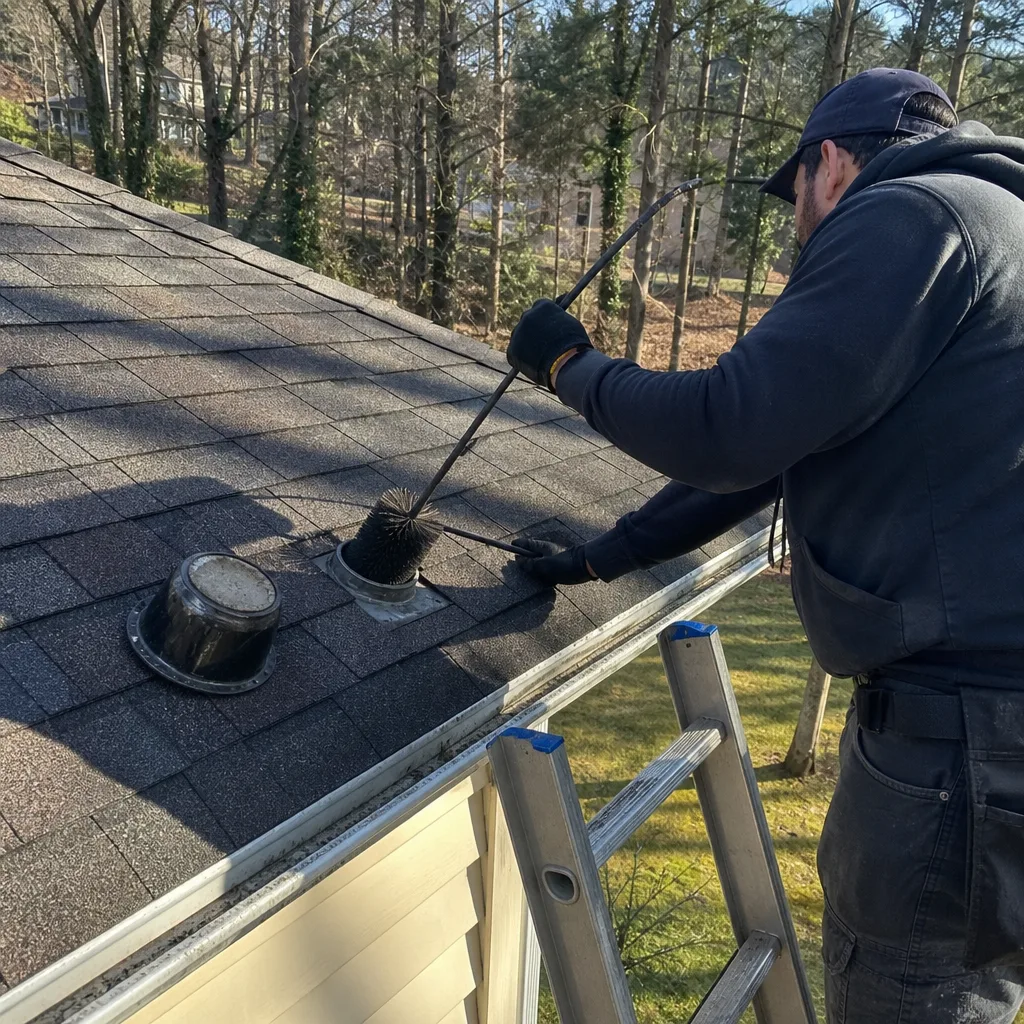
The checklist above assumes you will eventually hire a contractor. When you do, the equipment they bring determines whether the cleaning produces the documented results you are tracking. These are the trade-recognized brands and systems that separate mechanical extraction from vacuum noise.
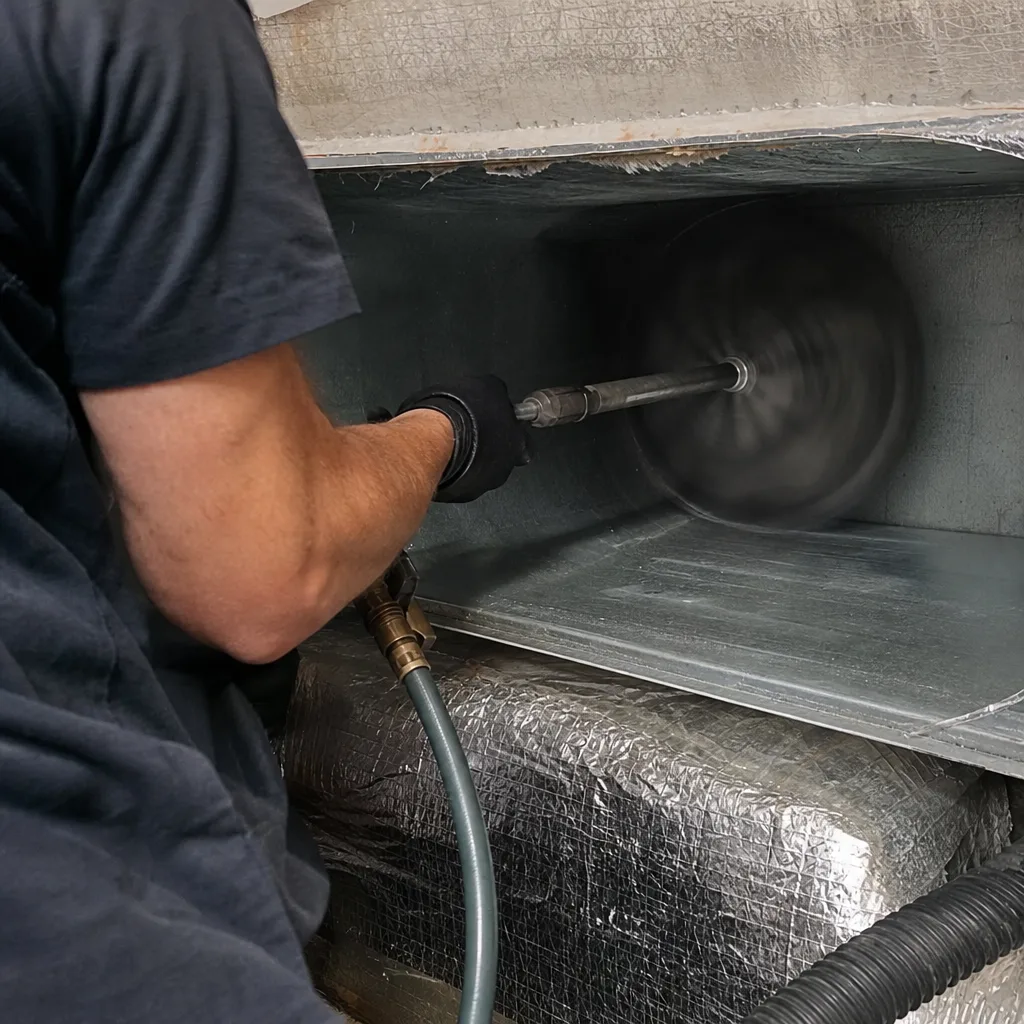
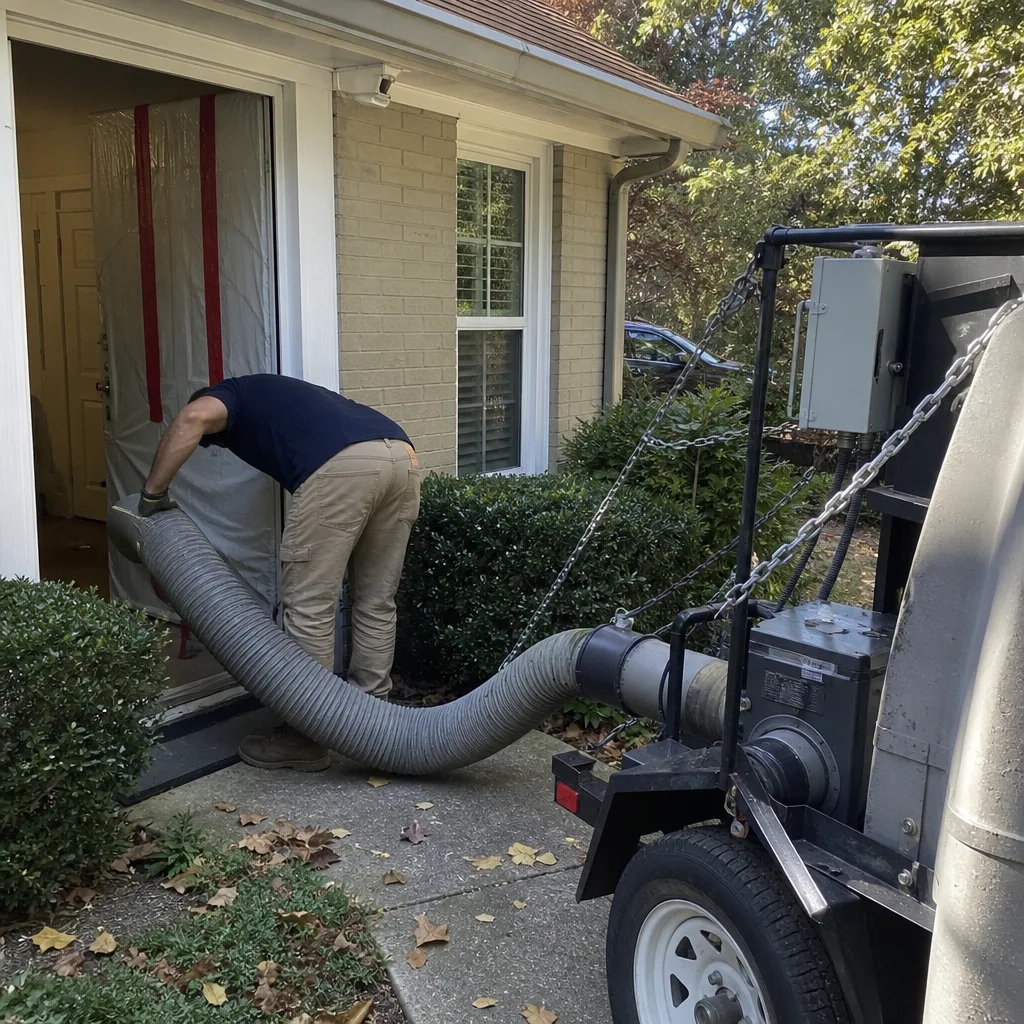
Negative-pressure extraction systems (Abatement Technologies, Nikro) create suction at the ductwork level, not just at the register. A portable HEPA vacuum with a brush attachment can clean a register face; it cannot extract debris from a 20-foot horizontal trunk line. Negative-pressure systems pull dislodged debris through the entire run and capture it before it reaches the occupied space.
Mechanical agitation tools (Rotobrush) use rotating brushes or whips to break adhesion between debris and duct walls. This matters in Alpharetta, where humidity-caked dust and red clay do not release with air pressure alone. The brush diameter should match the duct size; oversized brushes damage flex duct liners, undersized brushes skip the walls.
Air quality components (Aprilaire, Honeywell, Guardsman) address what remains after mechanical cleaning. UV-C installations, electronic air cleaners, and upgraded media filters reduce the rate of reaccumulation. They do not replace cleaning; they extend the interval between necessary cleanings by reducing the particulate load entering the system.
Ask your contractor to name the equipment before quoting. The brands should be verifiable, the specifications should match your duct type, and the method should be explained in writing before work starts. Air Duct Cleaning in Alpharetta varies widely in method; equipment naming is one way to distinguish documented work from undocumented.
Common Mistakes to Avoid
- Cleaning on a calendar schedule without condition checks. A home with MERV-13 filtration, no pets, and tight ductwork may need no cleaning for 10 years. A home with bypassing filters, three shedding pets, and flex duct sags may need attention in 18 months. The calendar cannot know which home yours is.
- Ignoring the filter frame gap. Homeowners in Alpharetta’s Windward neighborhood often install high-end filters but leave 1/4-inch gaps around the edges. Unfiltered air bypasses at rates that load the ductwork faster than a cheap filter properly sealed would.
- Treating register cleaning as duct cleaning. Wiping or vacuuming register faces improves appearance for about 48 hours. It does not address the trunk line, where the bulk of debris accumulates and where restriction actually affects airflow.
- Scheduling cleaning after visible mold without addressing moisture source. In Alpharetta crawlspaces, this usually means fixing the plenum insulation or the crawlspace vapor barrier first. Cleaning mold without fixing moisture is documented waste; the mold returns within the season.
- Accepting a per-vent price quote. This pricing model incentivizes superficial work at many points rather than thorough work on the system as a whole. It also obscures the total cost until the technician is in your home. Insist on one flat price per system, agreed in writing before work starts.
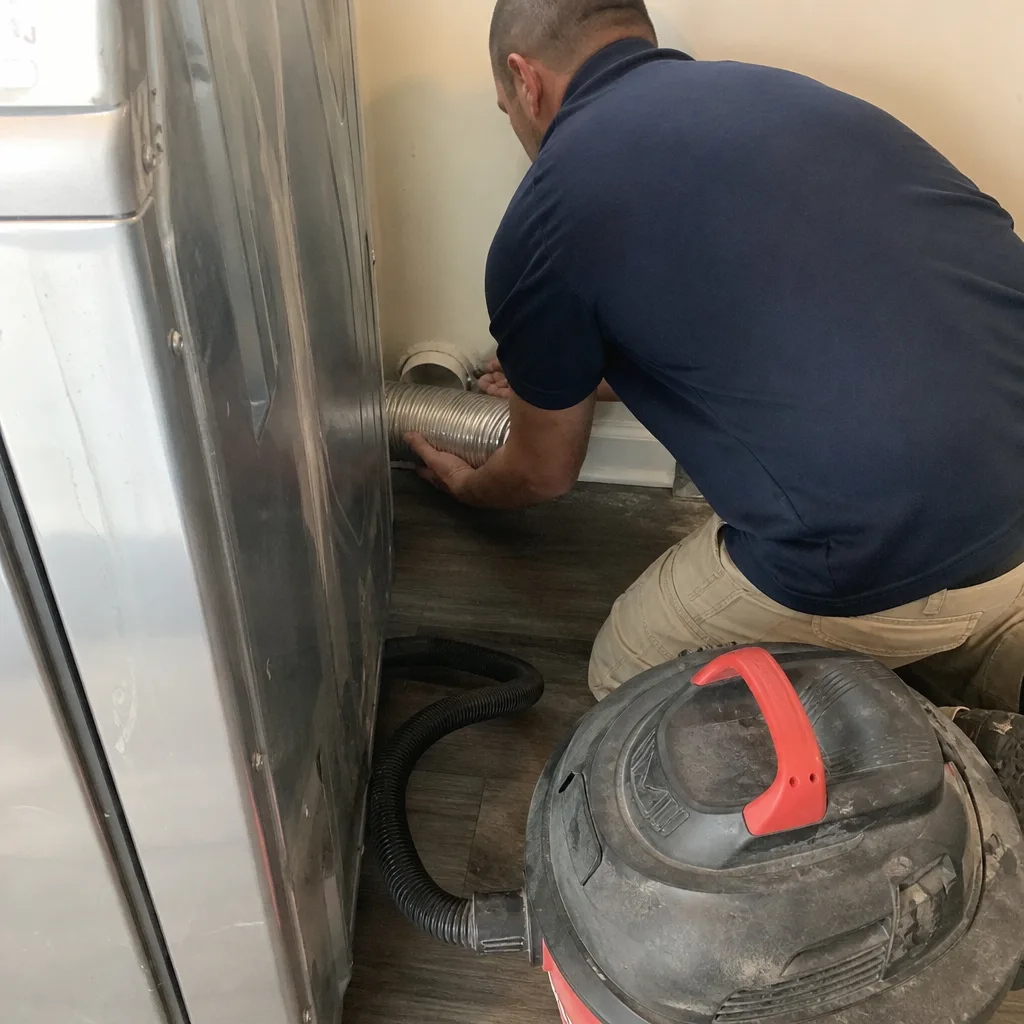
- Neglecting dryer vent inspection alongside duct cleaning. The same lint and debris conditions that load ductwork often clog dryer vents, which is a fire hazard. Dryer Vent Cleaning in Alpharetta should be evaluated on the same visit, with the same documentation standard.
- Failing to request the photo record. Without before-and-after images of each duct run, you have no evidence the work occurred as described, and no baseline for future comparison. The photo record is not a marketing extra; it is the documentation that makes the service accountable.
When to Call a Professional
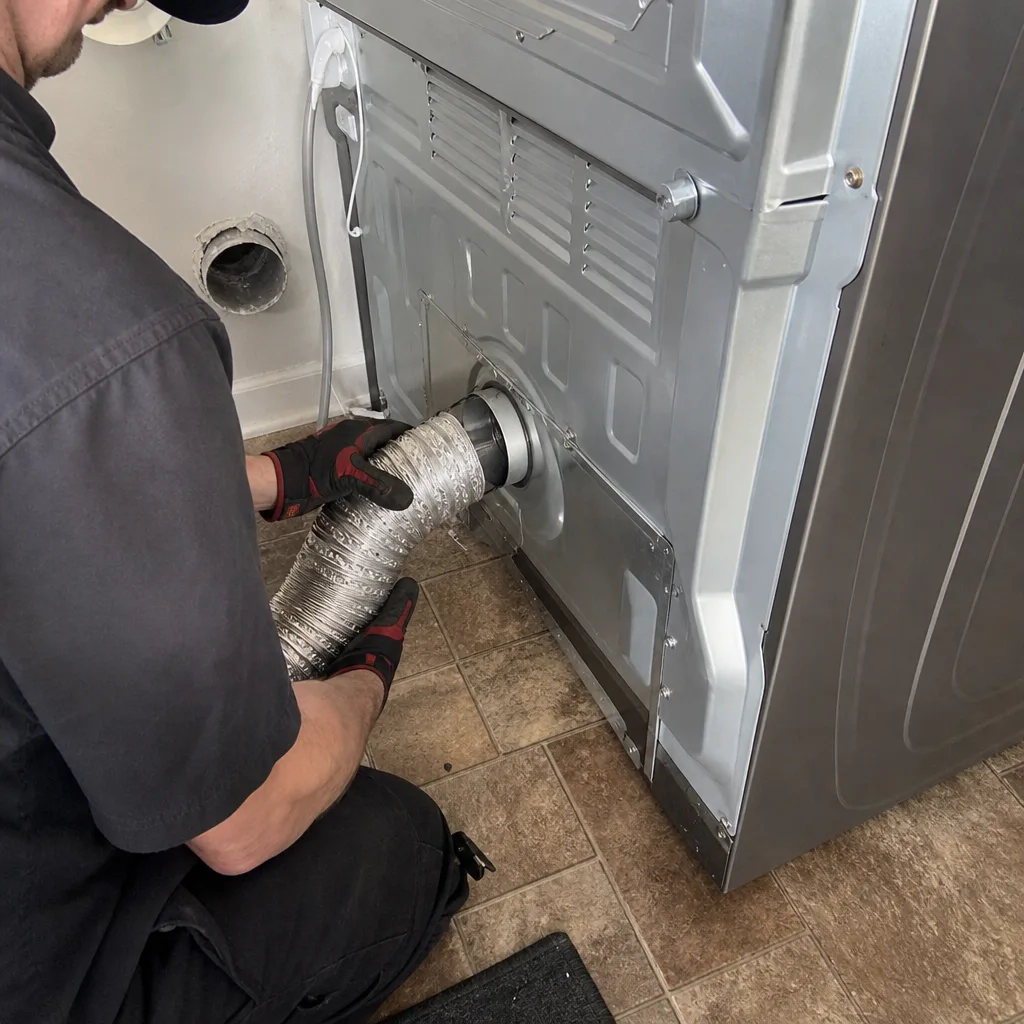
Call for camera inspection and written scope when: delta-T between rooms exceeds 4°F and filter change does not resolve it; register inspection shows debris more than 6 inches past the throat; crawlspace inspection reveals flex duct sag or red clay staining at joints; attic plenum shows condensation or insulation defects; or any musty odor persists after filter replacement and coil cleaning.
CleanRun Air Duct Cleaning Alpharetta offers free estimates in Alpharetta. Every estimate includes a written price before work starts, under Haven Standard Clause 1, and every completed job includes the Documented Photo Record of every duct run. We also provide a Free Second Opinion on any written estimate from another contractor, put our number next to theirs in writing, and let the documentation speak. Call (678) 679-7540.
Frequently Asked Questions
Whole-system air duct cleaning in Alpharetta typically ranges from $450 to $850 for a single-system home, depending on duct configuration, accessibility, and whether repairs to supports or seals are needed. Two-system homes or those with extensive crawlspace ductwork may run higher. CleanRun delivers one flat price per system, agreed in writing before any panel comes off, with no per-vent add-ons. Call (678) 679-7540 for an exact quote; estimates are free.
Low quotes usually reflect limited scope: register-face vacuuming only, no trunk line access, no photo documentation, or bait-and-switch pricing where the advertised rate covers a fraction of the actual system. A $199 coupon special cannot fund negative-pressure extraction equipment, HEPA filtration, trained technicians, and documented photo delivery for a whole home. The difference is not just price; it is whether the work produces measurable, verifiable results.
Request a documented photo record showing the inside of every duct run before and after cleaning. At CleanRun, this is standard on every job, delivered to the customer as part of the job record. Without images, you have only the technician’s word. With images, you have evidence you can compare to your own register inspections and delta-T measurements.
The EPA states that duct cleaning should occur when specific conditions exist, not on a fixed schedule. In Alpharetta’s environment, homeowners who maintain proper filtration and address crawlspace humidity may go 7-10 years between cleanings. Homes with filter bypass, pet dander loads, or flex duct sag may need attention in 2-4 years. The interval is determined by your checklist observations, not by industry convention.
Homeowners can and should perform register inspection, filter maintenance, and external duct observation as described in this checklist. Internal trunk line cleaning requires negative-pressure extraction equipment, mechanical agitation tools, and training in HVAC system access. Attempting internal cleaning without proper equipment risks damaging flex duct liners, dislodging connections, or contaminating the occupied space with agitated debris. For internal work, hire a contractor who documents the process.
Yes. Summer humidity in Alpharetta produces condensation in uninsulated or poorly insulated plenums, and in sagging flex duct low points in crawlspaces. This moisture converts accumulated dust into adhered paste and creates conditions for microbial growth. Your checklist should include July-August inspection of attic plenums and crawlspace duct support, items that dry-climate maintenance guides omit entirely.
The Bottom Line
A maintenance checklist is only useful if it changes behavior from calendar-based spending to evidence-based decisions. For Alpharetta homeowners, that means tracking observable conditions, filter loading in pollen season, crawlspace and attic ductwork integrity, and post-cleaning baselines. The EPA’s condition-based standard is the correct framework; the industry’s three-to-five-year calendar recommendation is not. Document what you observe, compare against your baseline, and schedule service when the evidence supports it, not when a reminder arrives. For more guides & resources on maintaining your HVAC system, visit our blog.
Written by Tomas Reyes, Owner at CleanRun Air Duct Cleaning Alpharetta, serving Alpharetta since 2013.